Planning for a fleet that isn't next door
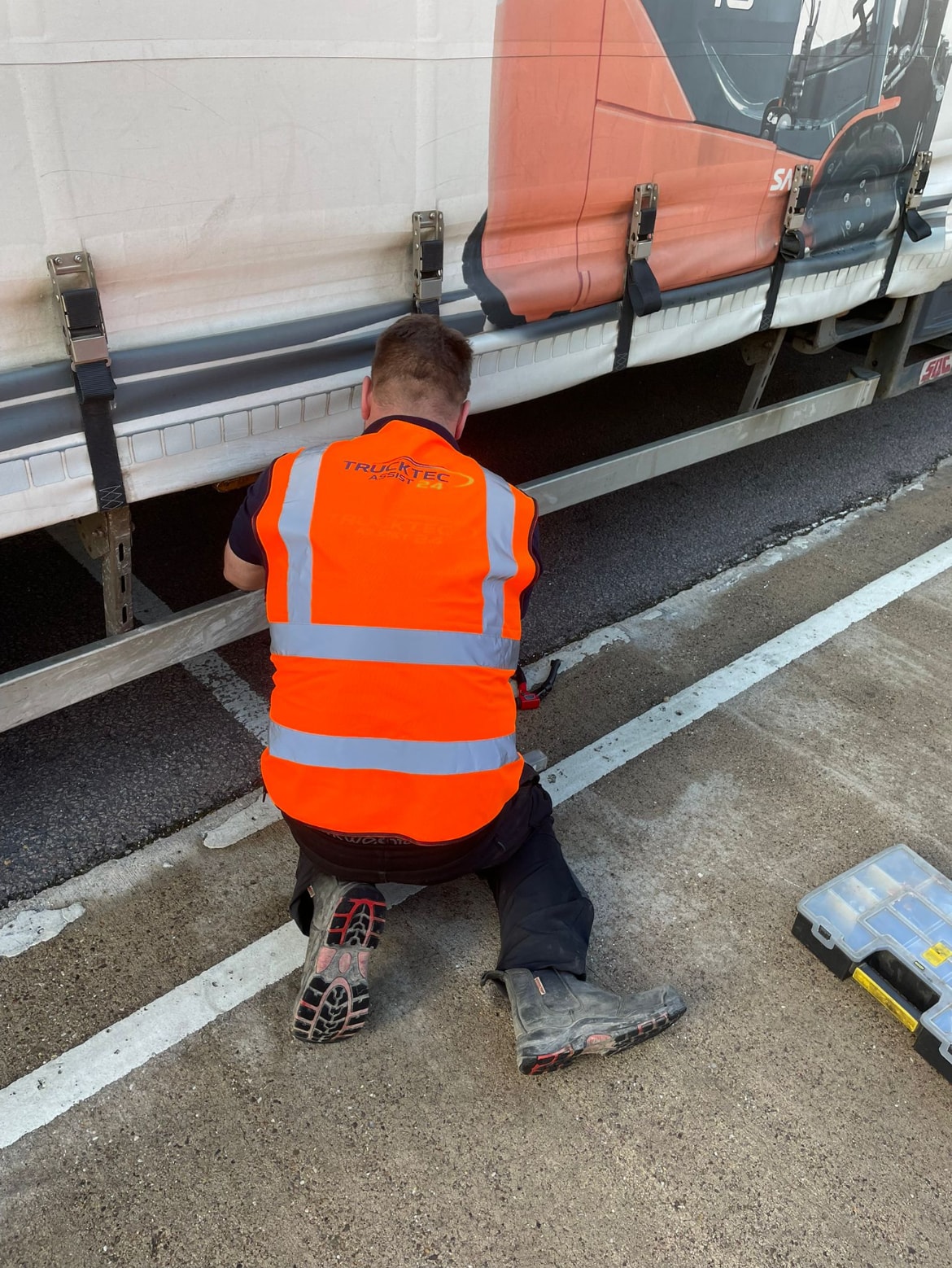
A Mansfield operator considering a maintenance contract with a workshop at Melbourne, south of Derby, has a fair question to ask: how will that work from week to week? The answer is that most of the routine doesn't need the workshop at all. Defects from drivers' checks, lighting and wiring faults, air leaks, smaller repairs and inspection advisories are handled by a mobile technician at your Mansfield premises. The workshop is kept for the jobs that really need lifts and a planned day, and those visits are combined and booked well ahead so each vehicle makes the journey as few times as possible.
What sits in the agreement
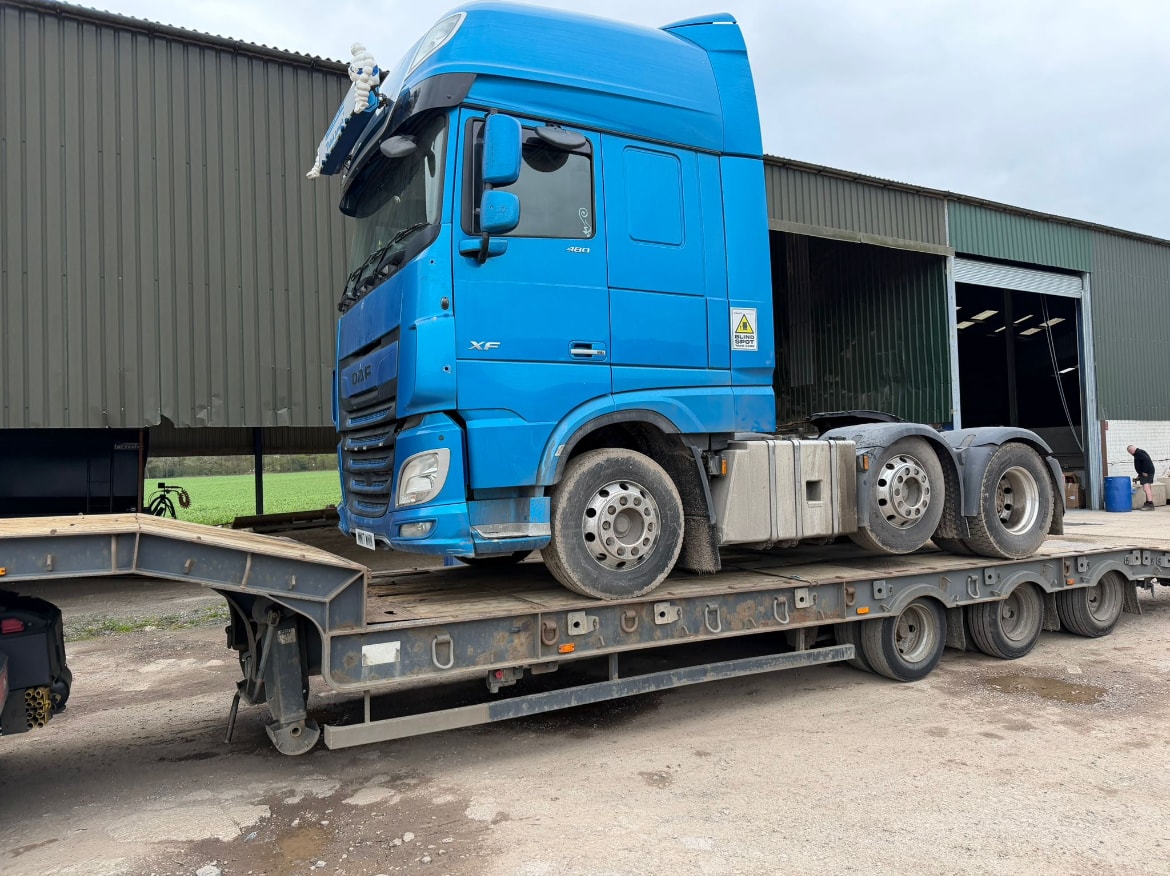
We agree the scope with you, but most contracts bring together servicing to the manufacturer's schedule, PMI inspections at the intervals on your operator licence with braking performance checked at each one, preparation before every annual test, mobile repairs, and breakdown and recovery around the clock. You get a calendar for every vehicle, and each visit is written up for your maintenance files.
Mansfield's mix of vehicles
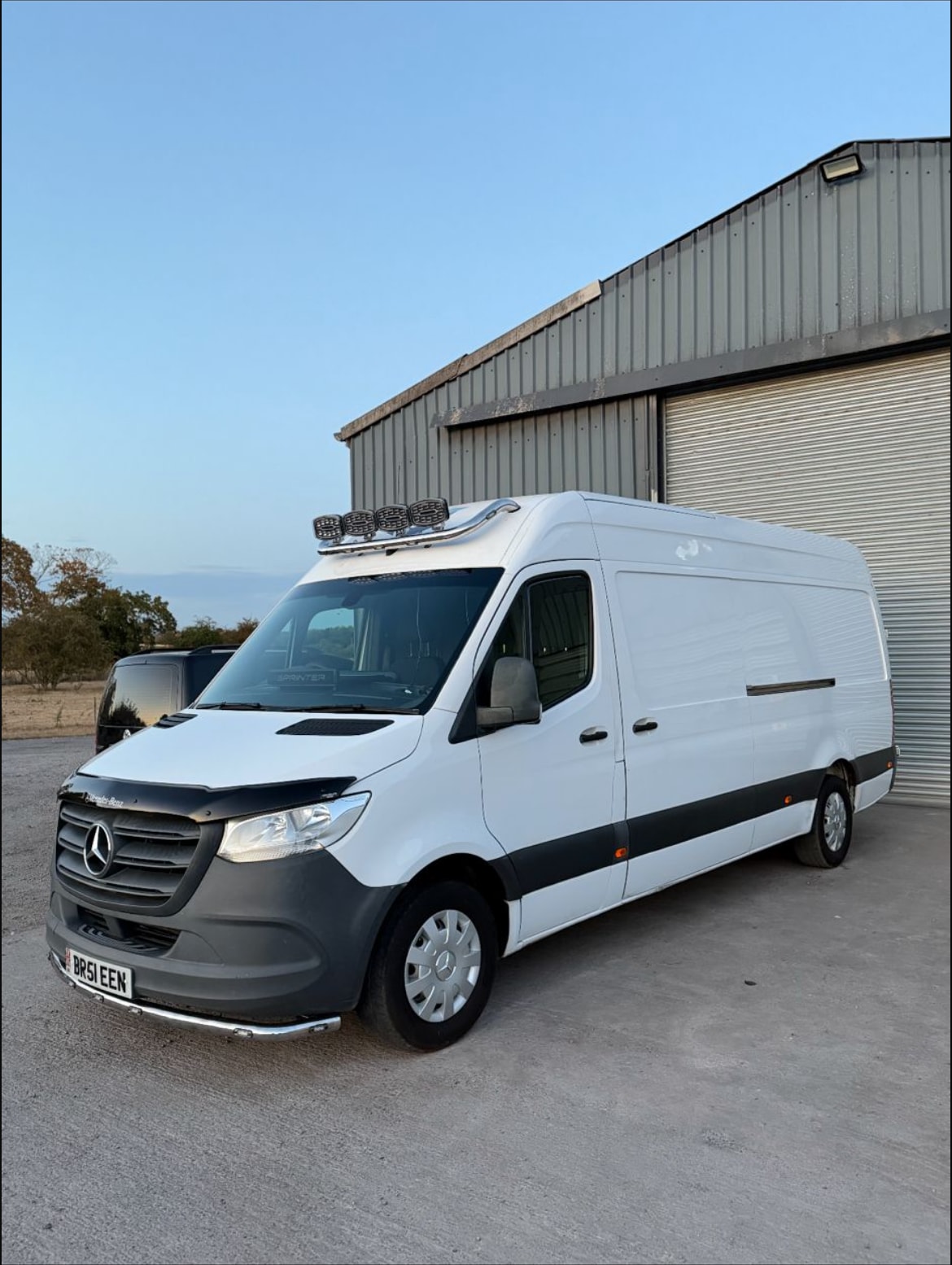
Since coal stopped being the town's main industry, Mansfield's working vehicles have become more varied. Public services are a big part of the picture, with the district council, the hospital trust, the college, an ambulance station at Kingsmill and the town's fire station. Buses run from the station opened in 2013, the retail parks need stocking, and the Lindhurst development, planned to include 1,700 homes, keeps the area growing. A contract can cover HGVs, trailers, coaches, minibuses, vans, light commercials and specialist or emergency-service vehicles together, so a mixed fleet needs only one agreement and one number.
One number when something stops
That number is 01332 916028. When a vehicle breaks down at junction 28, on the A60 or in the middle of town, the call goes to the people who already look after it. They know its history, and a fault that keeps returning is recognised as a pattern instead of being patched again.
Proof for DVSA
Operators are expected to show a working maintenance system, not just describe one. On a contract, inspections happen on schedule, defects are written up with what was done about them, and the records are ready whenever DVSA, a customer or your transport manager asks for them.
Moving from your current provider
Changing provider doesn't mean starting from scratch. Tell us when each vehicle is next due for an inspection and a service, send over recent inspection sheets if you have them, and we will take up the schedule from there. Fleet customers are set up on account.