Inspections on your interval
Safety inspections are carried out at the frequency your operation runs to, and booked in advance so they happen on the date they are supposed to rather than whenever a vehicle happens to be free. Gaps in an inspection record are the sort of thing that is very hard to explain after the fact.
What an inspection covers
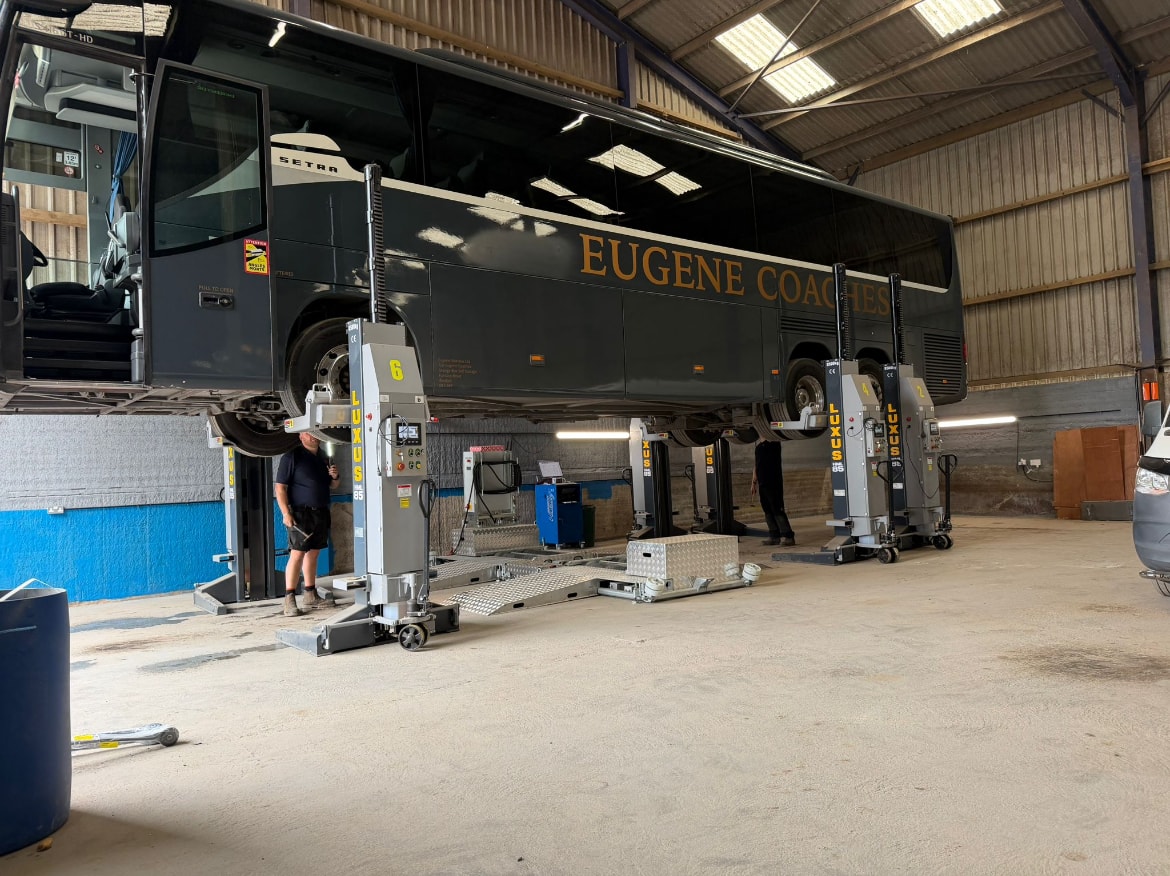
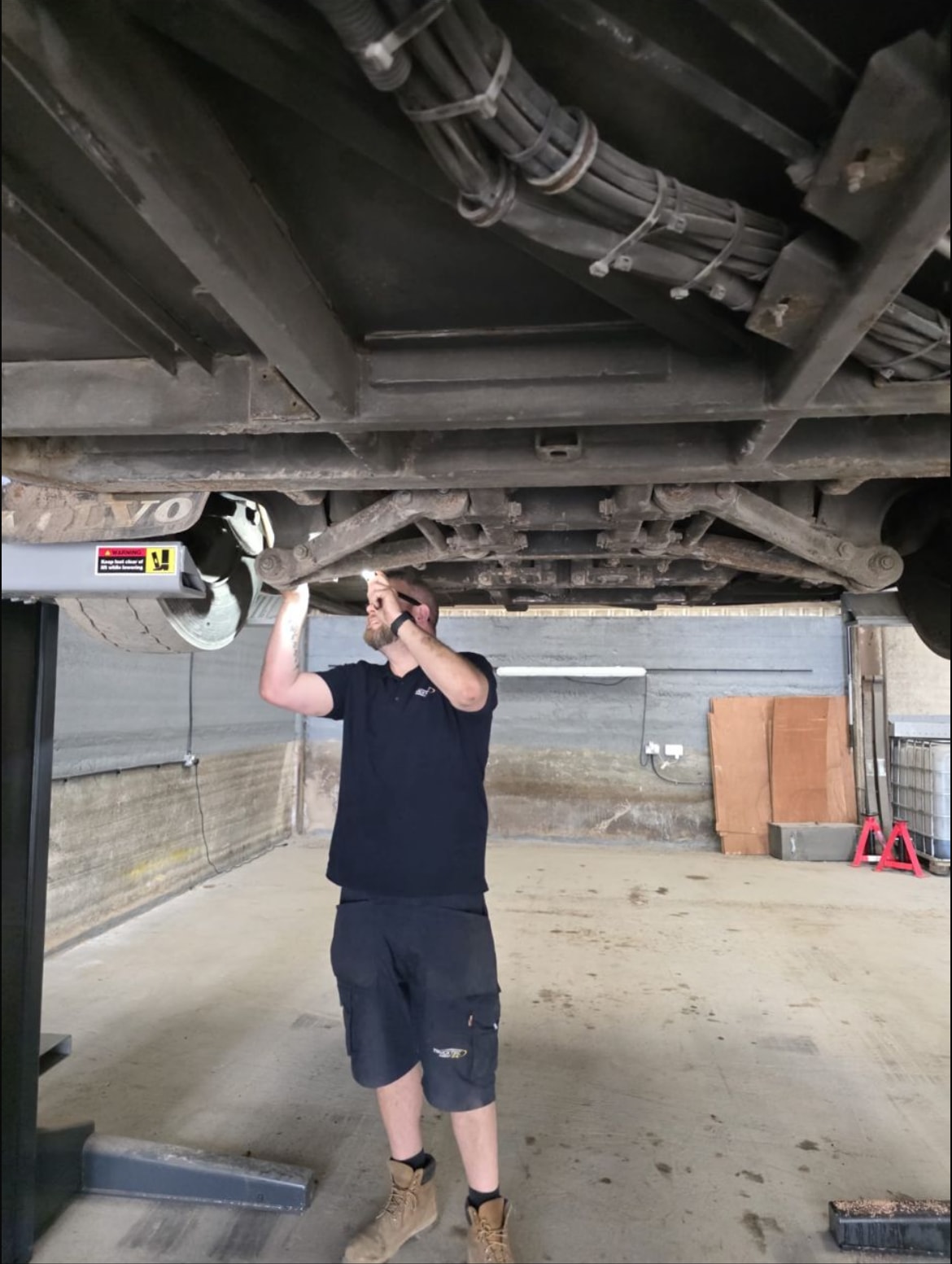
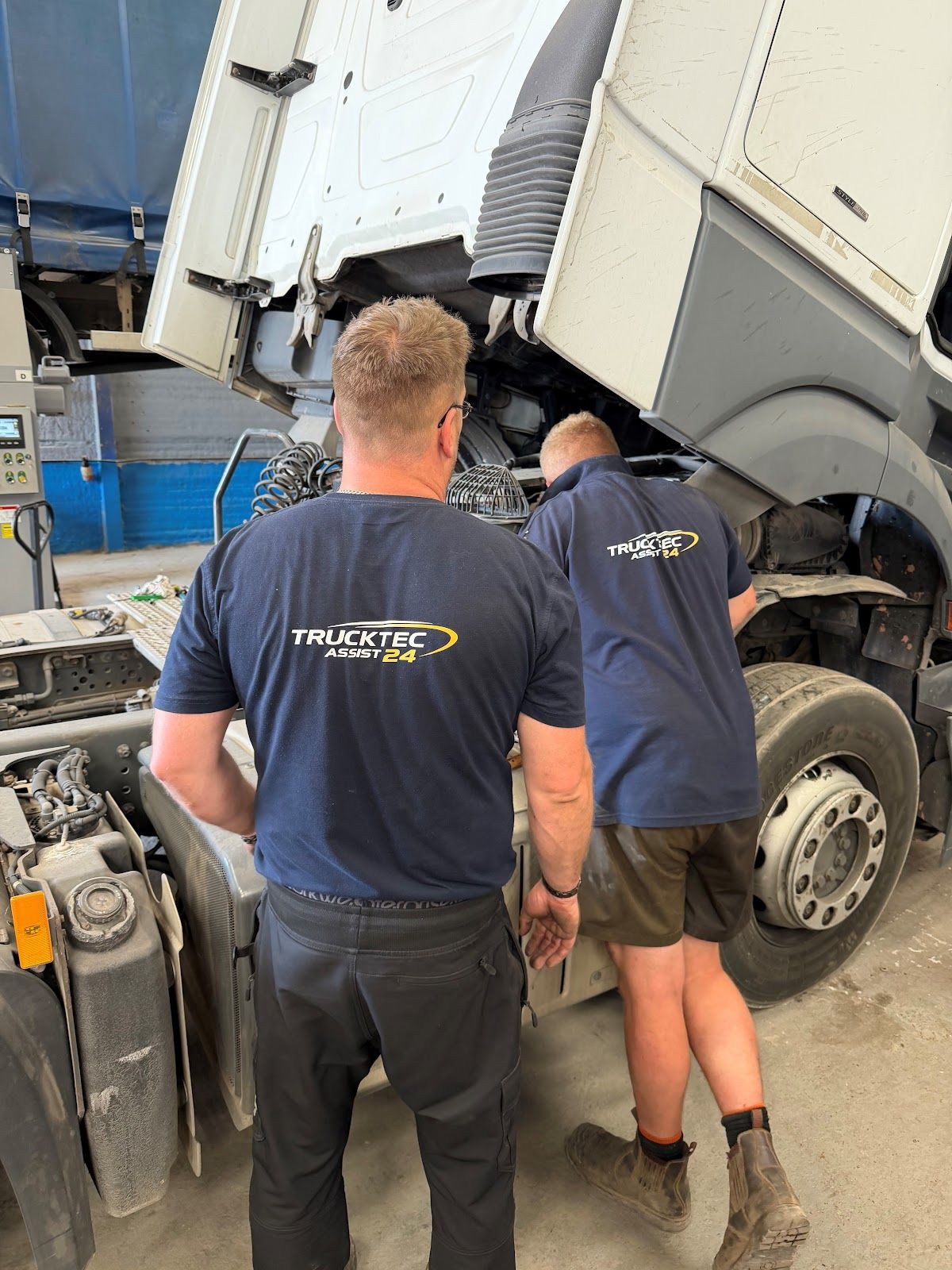
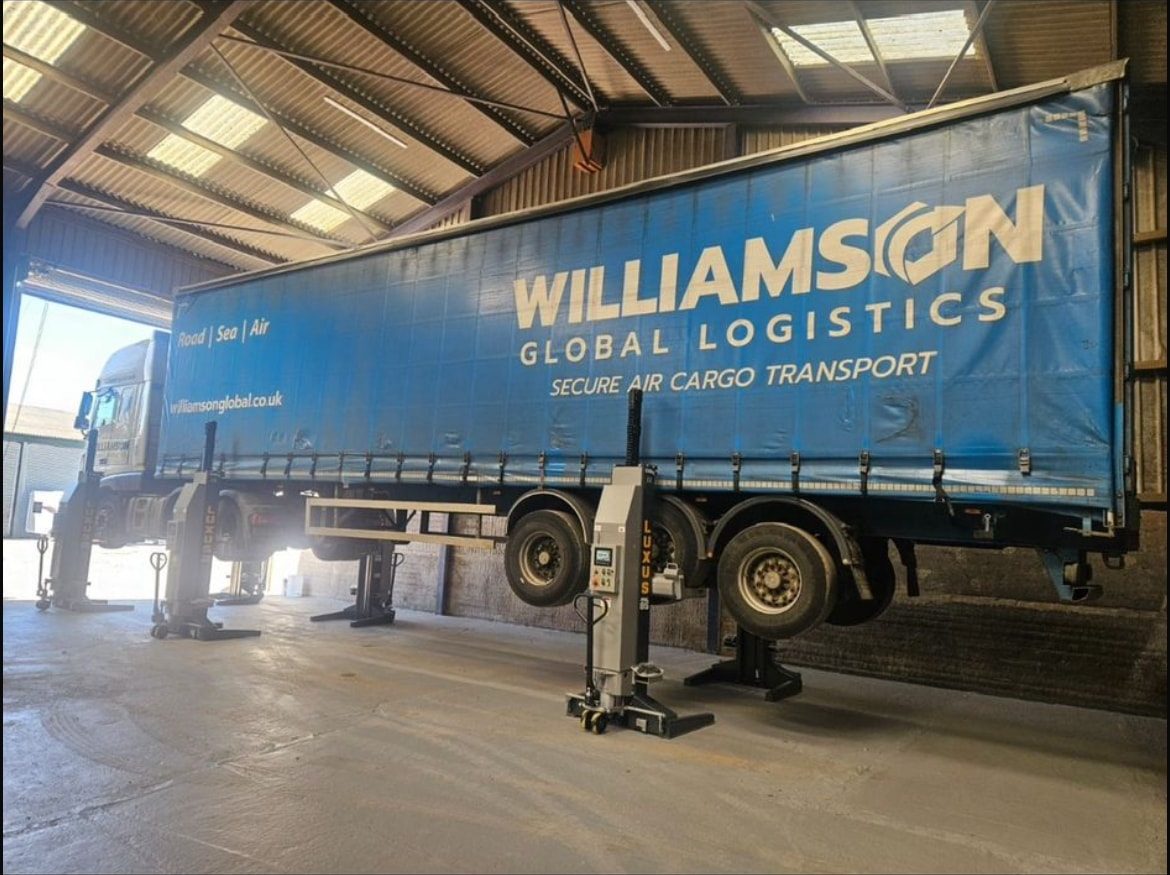
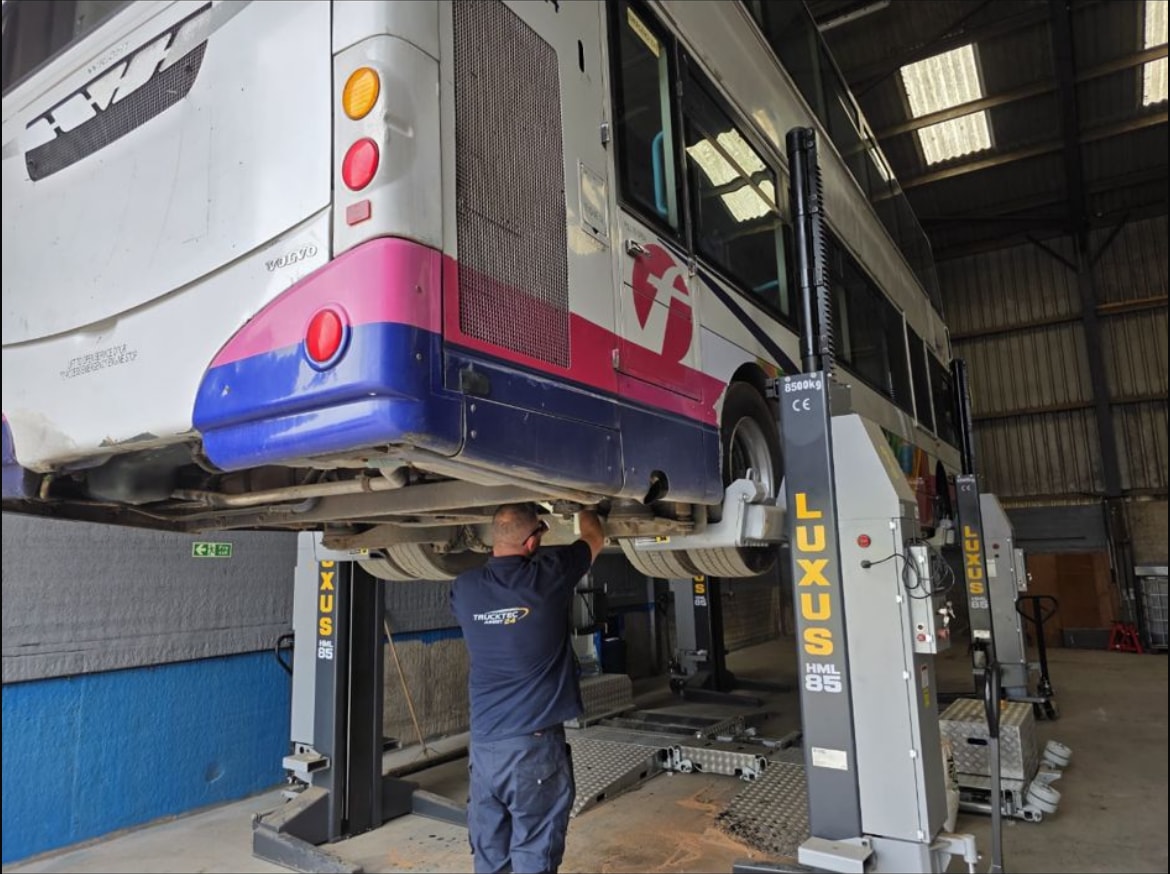
A full check of the vehicle's safety-critical systems: brakes and their performance, steering and suspension, tyres and wheel security, lights and electrics, coupling equipment on trailers, body and chassis condition, and the wear items that decide whether a vehicle is roadworthy between one inspection and the next.
Defects are reported clearly, separated into what must be put right now and what can be planned, so you can make a decision instead of receiving a bill.
MOT preparation
An annual test failure costs a retest, a rebooking and days of availability. Preparation is a pre-emptive inspection against the test standard, with the faults dealt with before the vehicle goes rather than discovered on the day. Brakes are the most common reason a commercial vehicle fails, which is why brake testing sits alongside this work.
Keeping the record straight
Inspection sheets, defect reports and the record of what was done and when — kept properly, so the vehicle's history is a document rather than a memory. For fleet and contract customers this runs on one schedule across the whole fleet.
Book it with the servicing
Where it fits, we run the inspection and the service together. Two jobs, one slot, one day off the road.