A city of junctions
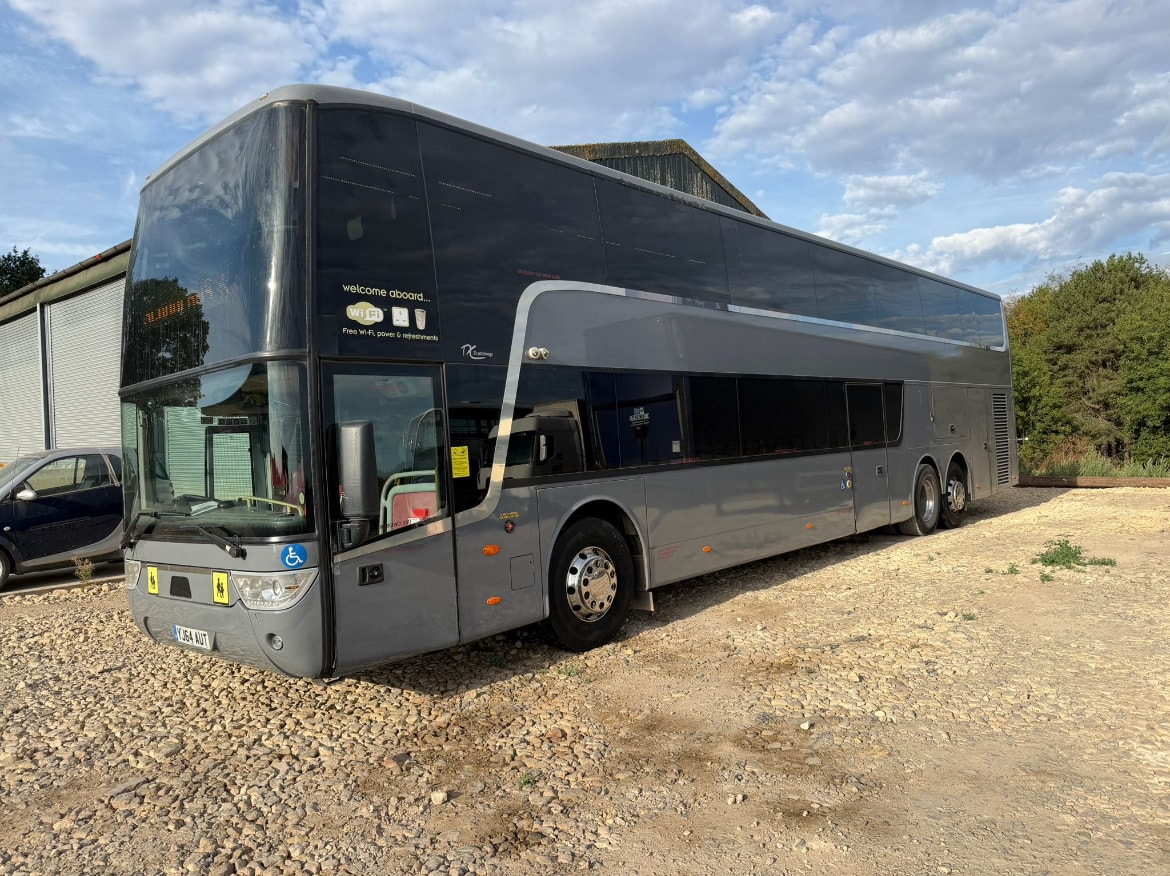
Few places work a vehicle's brakes as hard as a busy city. In Nottingham the ring road alone takes in the grade-separated junction at the Queen's Medical Centre, where it meets the A6514 Middleton Boulevard, and the busy roundabouts where the A52 meets the A60 and the A606. Bus lanes, tram crossings and traffic lights fill the gaps in between. A rigid on a day of city deliveries, or a double-decker heading into Broadmarsh or Victoria bus station, spends a large part of its working life slowing down, and that wear doesn't always show from the outside.
Why we test performance
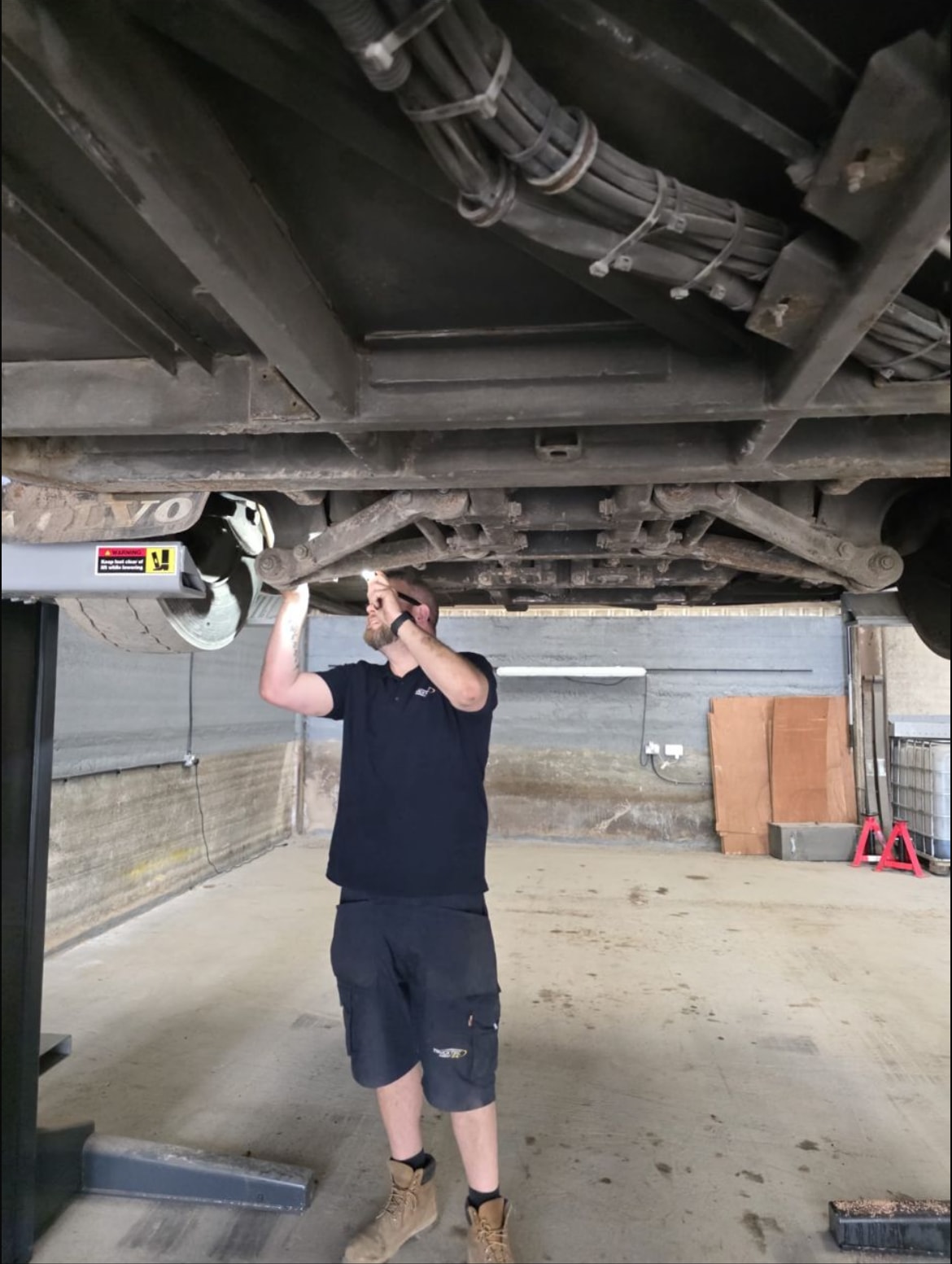
A seized adjuster, a contaminated lining, a sticking valve or a small air leak can each reduce stopping power without leaving anything visible. That is why DVSA expects brake performance to be assessed at every safety inspection, rather than relying on a look at the components, and why we measure first and then find what explains the result.
The parts we work on
On the air side: compressors, dryers, reservoirs, valves and pipework, and the leaks that bleed pressure away. At the wheels: pads, discs, drums, shoes, brake chambers and slack adjusters. On trailers: couplings, relay valves and the air brake faults that so often leave a trailer stuck in the yard. Spring brakes that won't release, or won't hold, are part of the job too. After every brake repair the system is checked again before the vehicle goes back to work, and you get a written record for the maintenance file.
If the brakes feel wrong on the road
Drivers usually notice first. Pulling to one side, a pedal that feels soft, grabby or slow, air pressure that drops quickly or takes too long to build, a low-air warning that won't clear, or smoke or a smell from a wheel are all reasons to stop, not to press on. Pull in somewhere safe and ring 01332 916028 at any hour. Many brake and air faults can be fixed where the vehicle stands; when one can't, we recover it.
Cold mornings and wet air
Water in an air system causes trouble all year. Past a worn dryer it corrodes valves and makes them stick, and on a frosty morning it can freeze in the pipework and leave a vehicle unable to move. A serviced dryer and regularly drained reservoirs prevent a lot of this, and it is something we look at during planned maintenance.
Getting the work booked
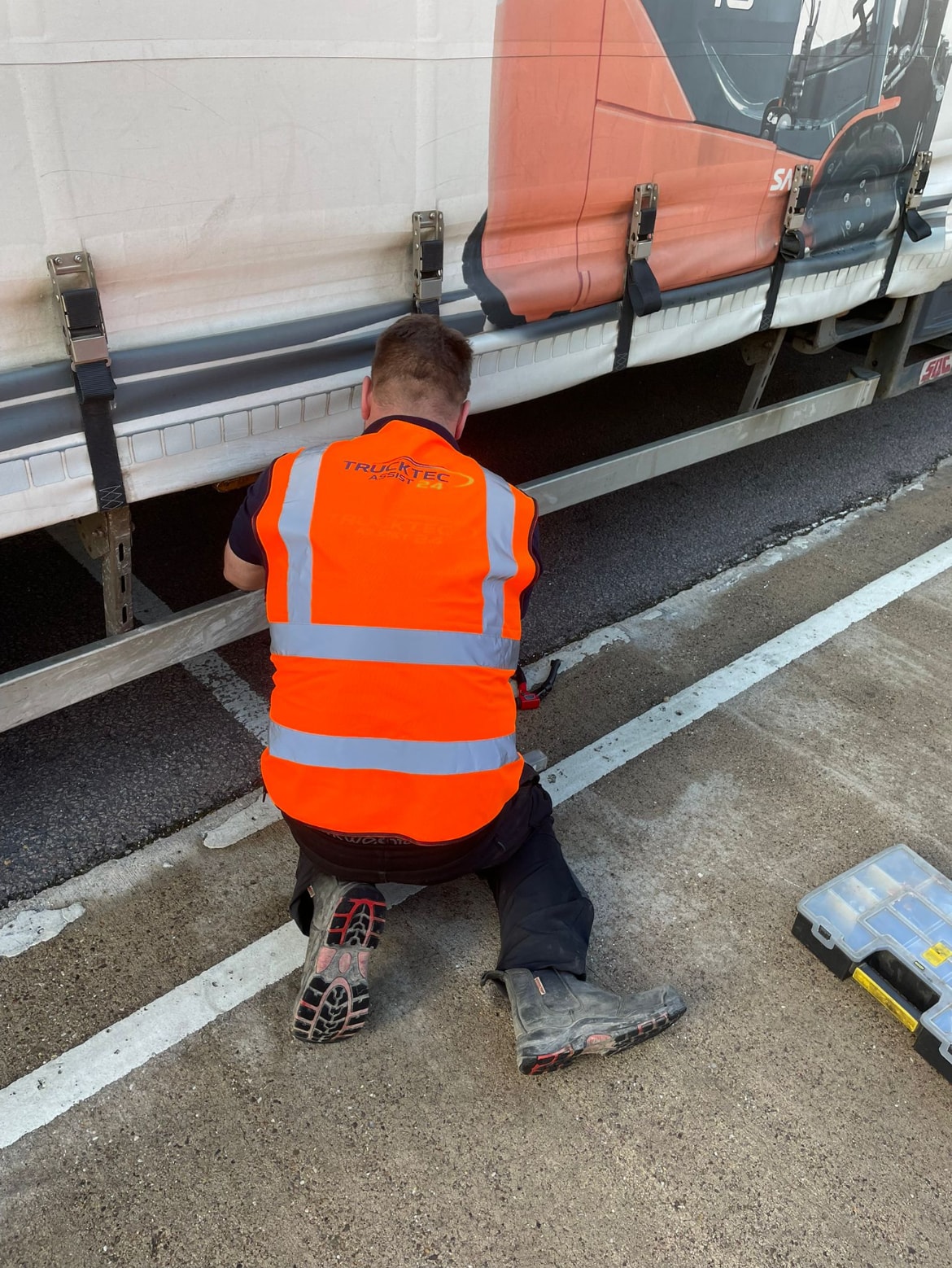
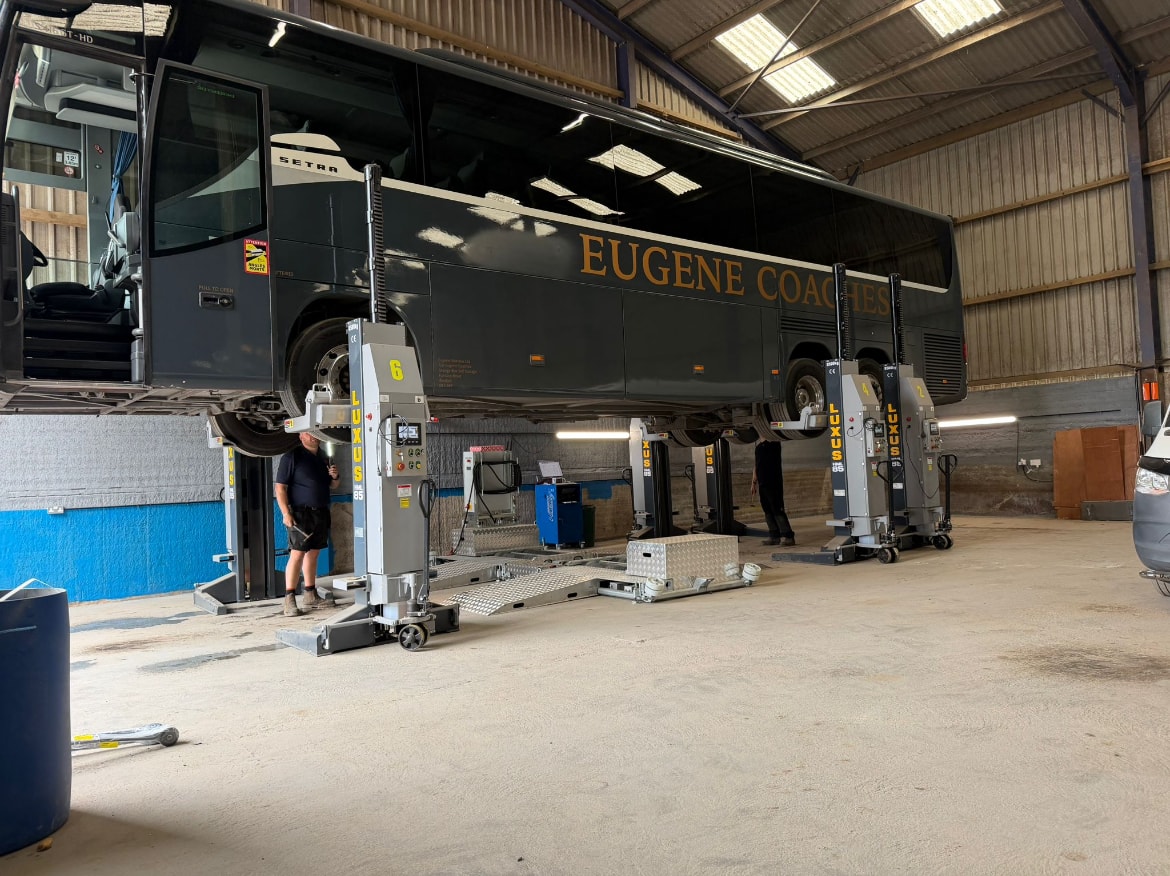
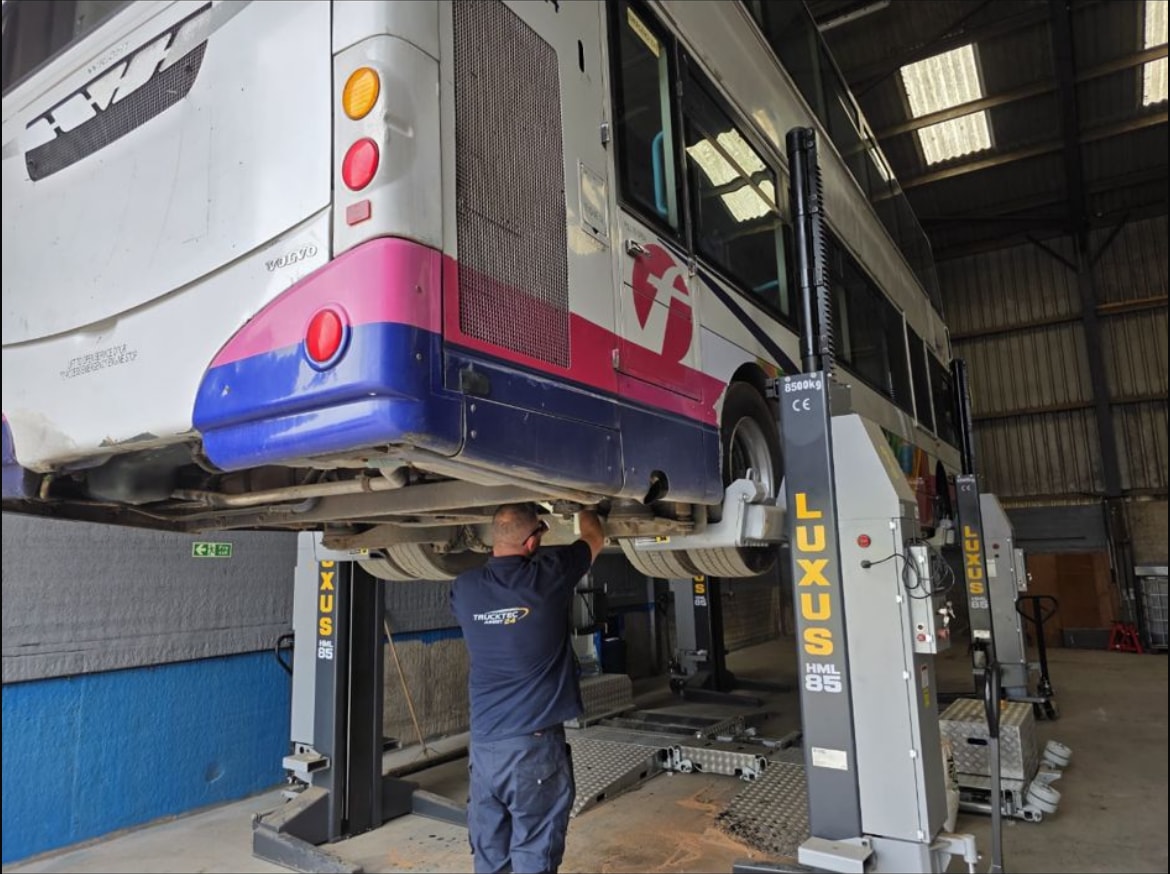
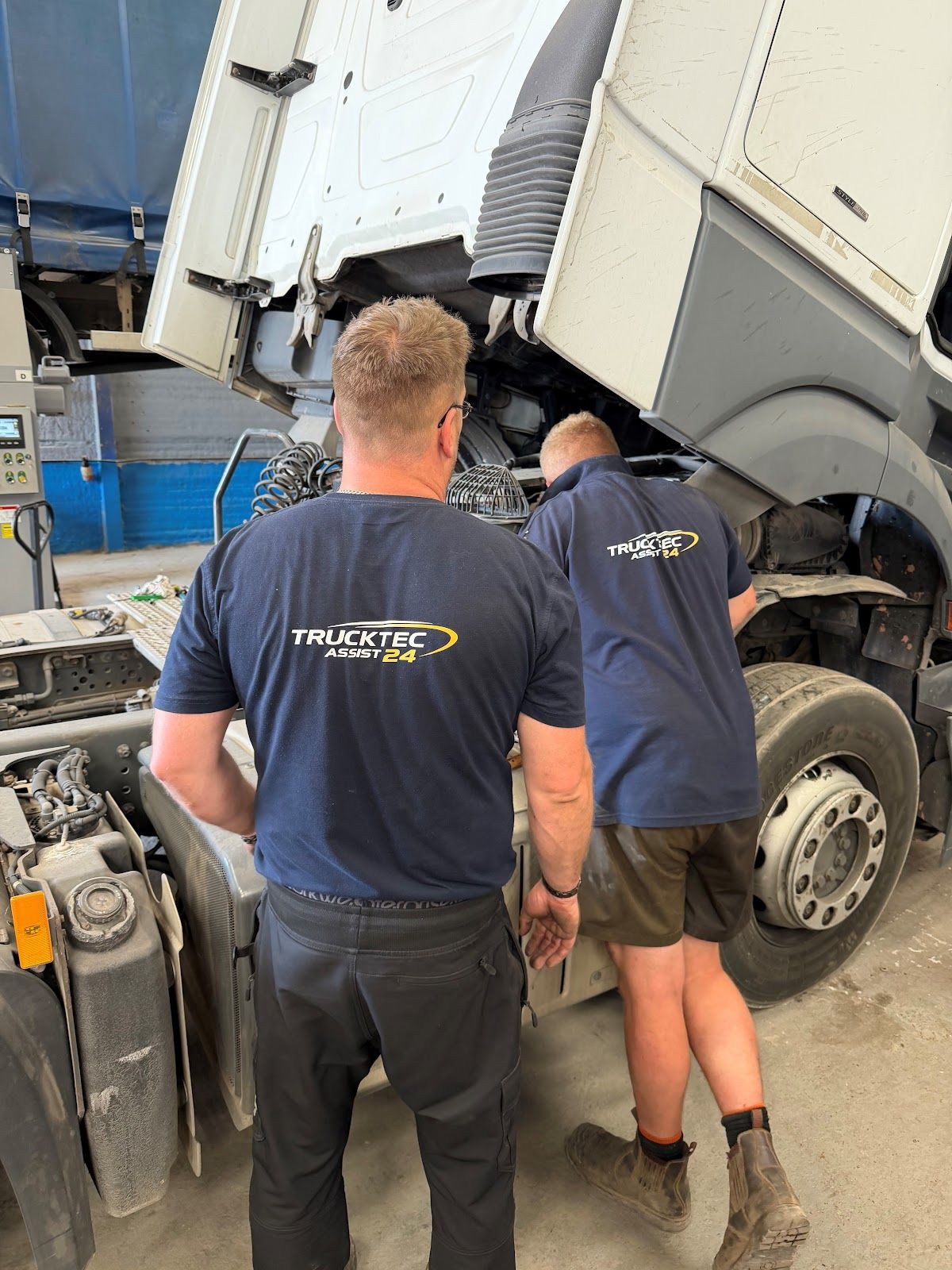
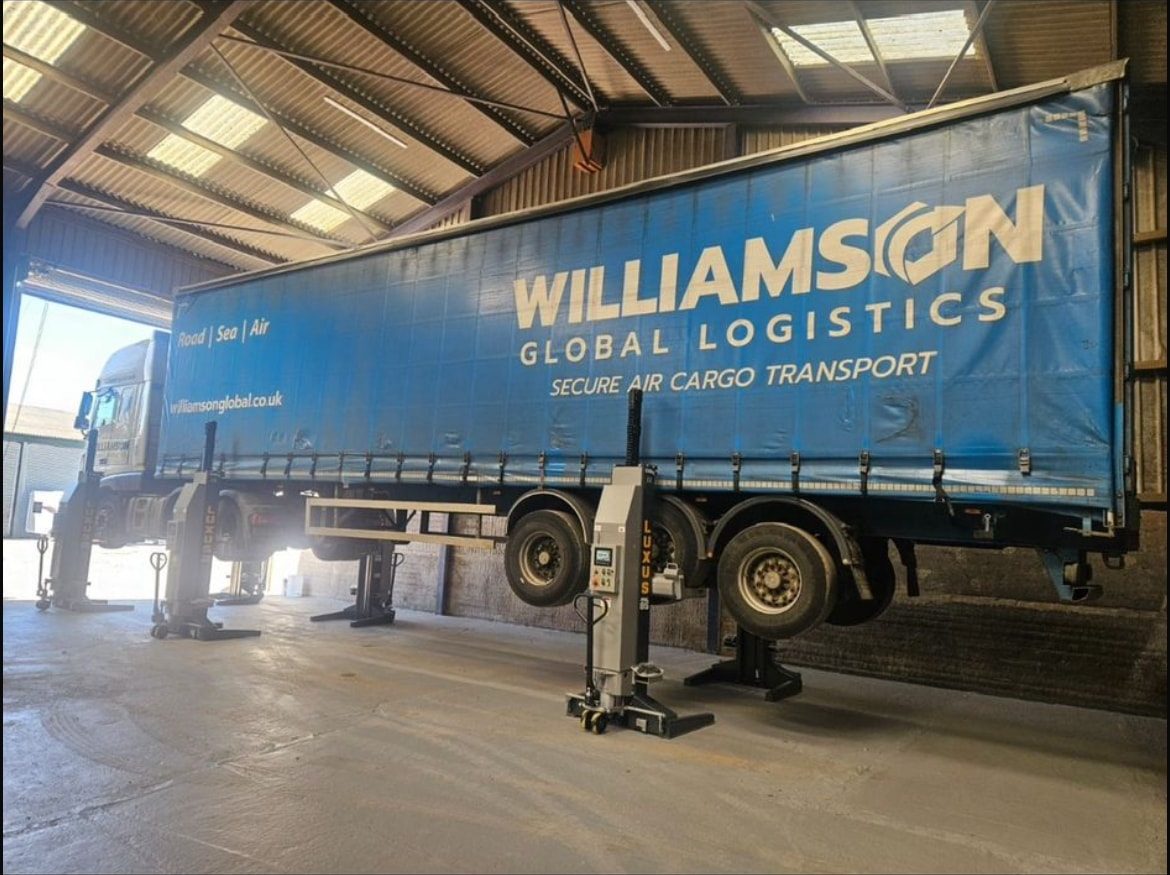
For most Nottingham operators, brake testing happens as part of the PMI and the preparation for the annual test, so it costs no extra trip to our workshop at Melbourne. Smaller faults can often be fixed by our mobile technicians at your premises, with bigger jobs done on lifts in the workshop. Ring with the registration and what the driver has noticed; the workshop is open for planned work Monday to Friday, 07:30 to 17:00.