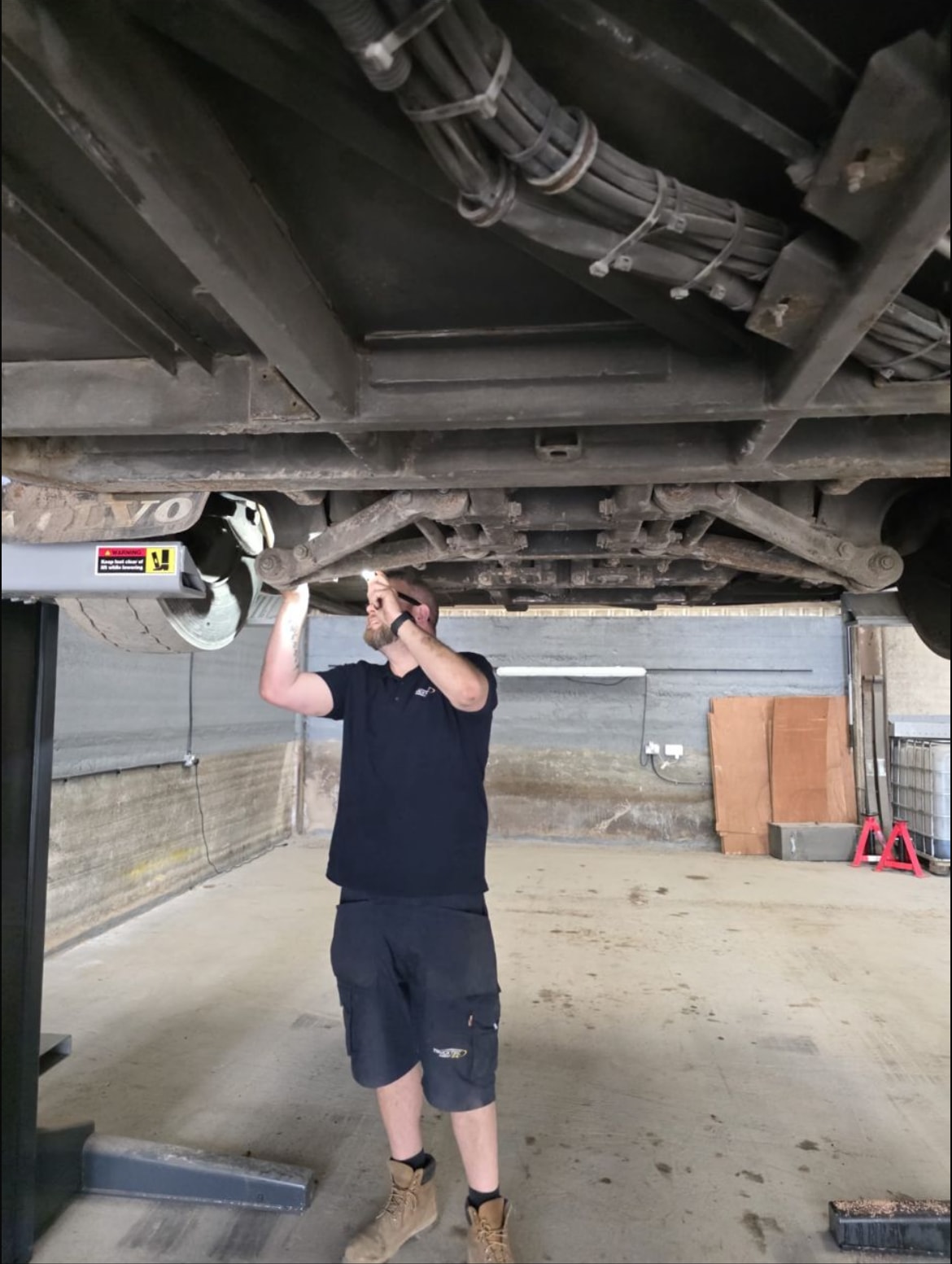
Couplings take a beating
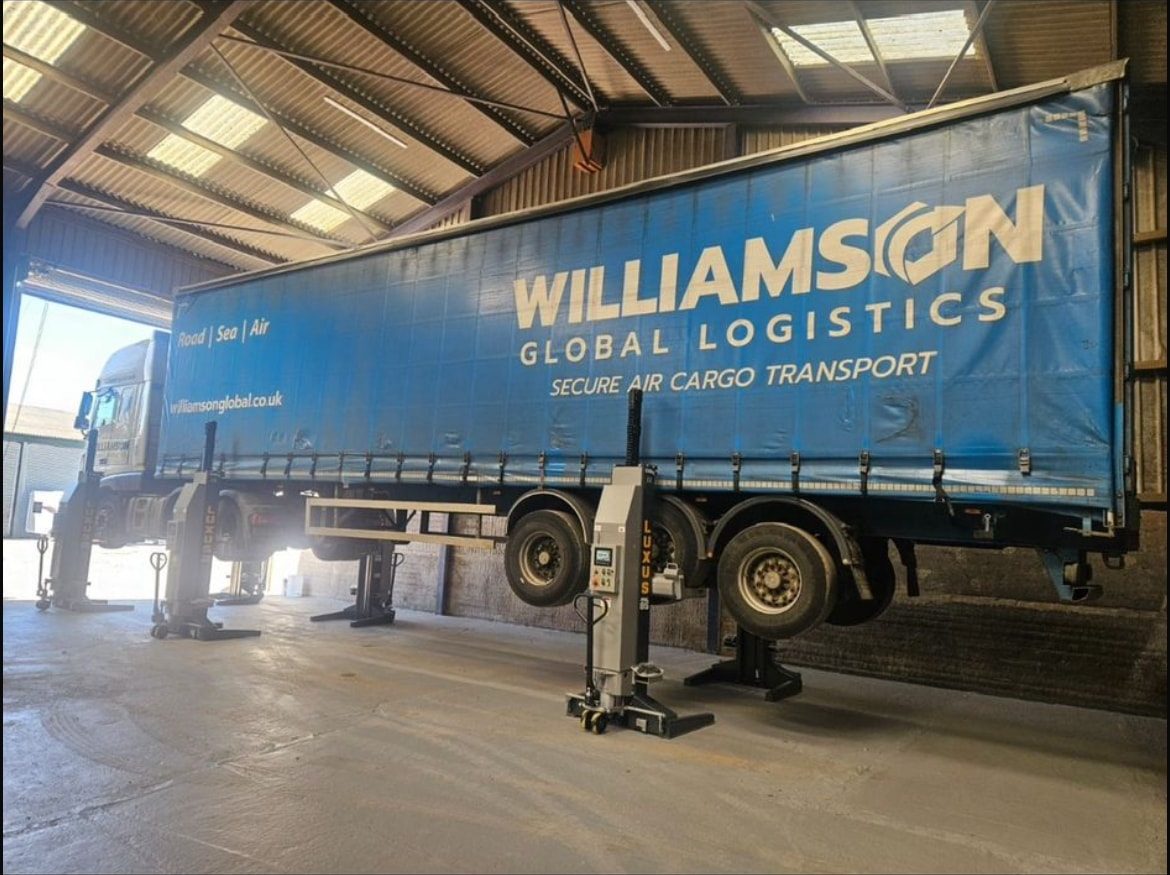
Where trailers are swapped between units on busy logistics parks such as East Midlands Gateway and the East Midlands Distribution Centre, the brake connections are handled far more than on a trailer that stays with one unit. Every couple and uncouple puts wear on the airlines, couplings and seals, and the faults that follow are familiar: a slow leak at the coupling head, a damaged suzie, a relay valve that has started to stick, spring brakes that won't release. A trailer that won't come off its brakes is one of the commonest reasons a load can't leave a yard.
Heavy loads at motorway speed
Containers taken off the trains at the Gateway's rail terminal, and loads leaving the warehouses, join the M1 at junction 24 or head west along the A50 with their full weight on. A brake that has been getting by on short moves around the yard is found out at speed. That is why our brake work starts with a performance test rather than a look at the parts: DVSA expects brake performance to be assessed at every safety inspection, and a brake can look healthy while stopping poorly.
What we work on
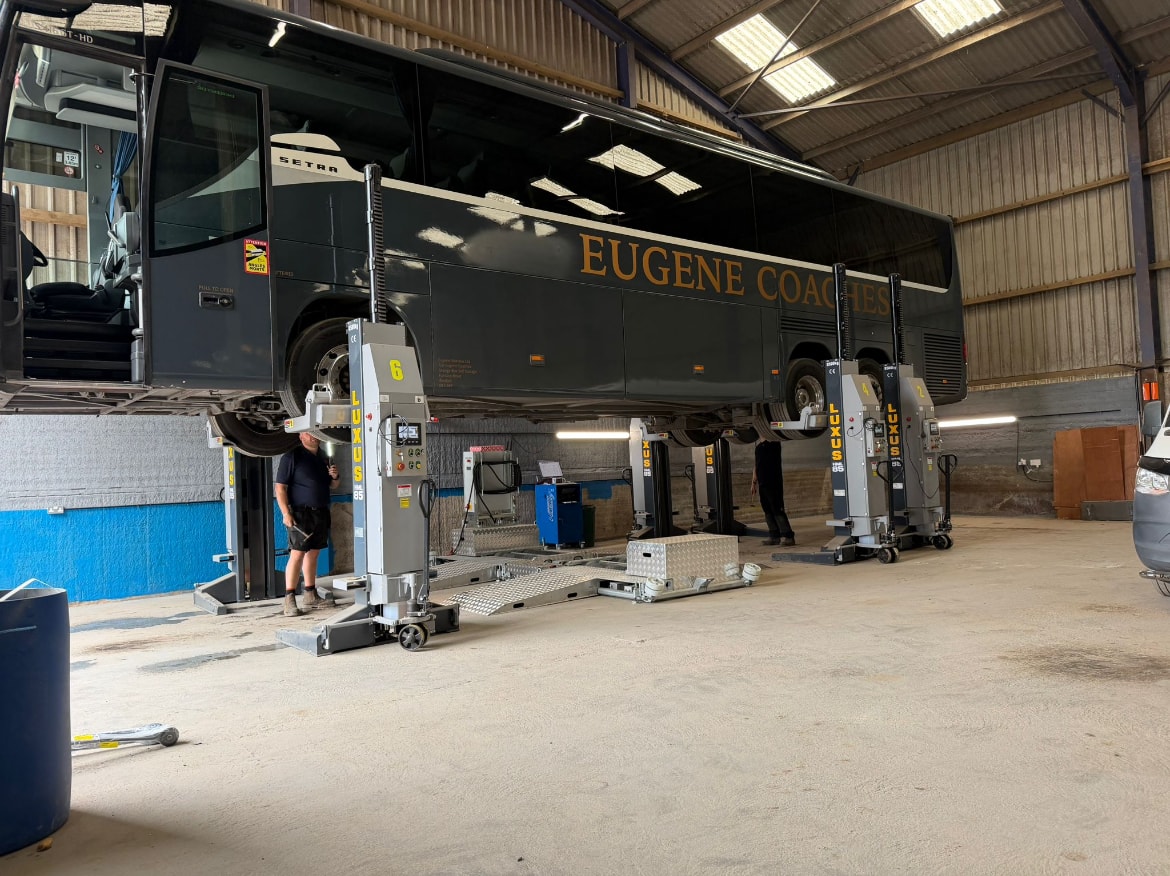
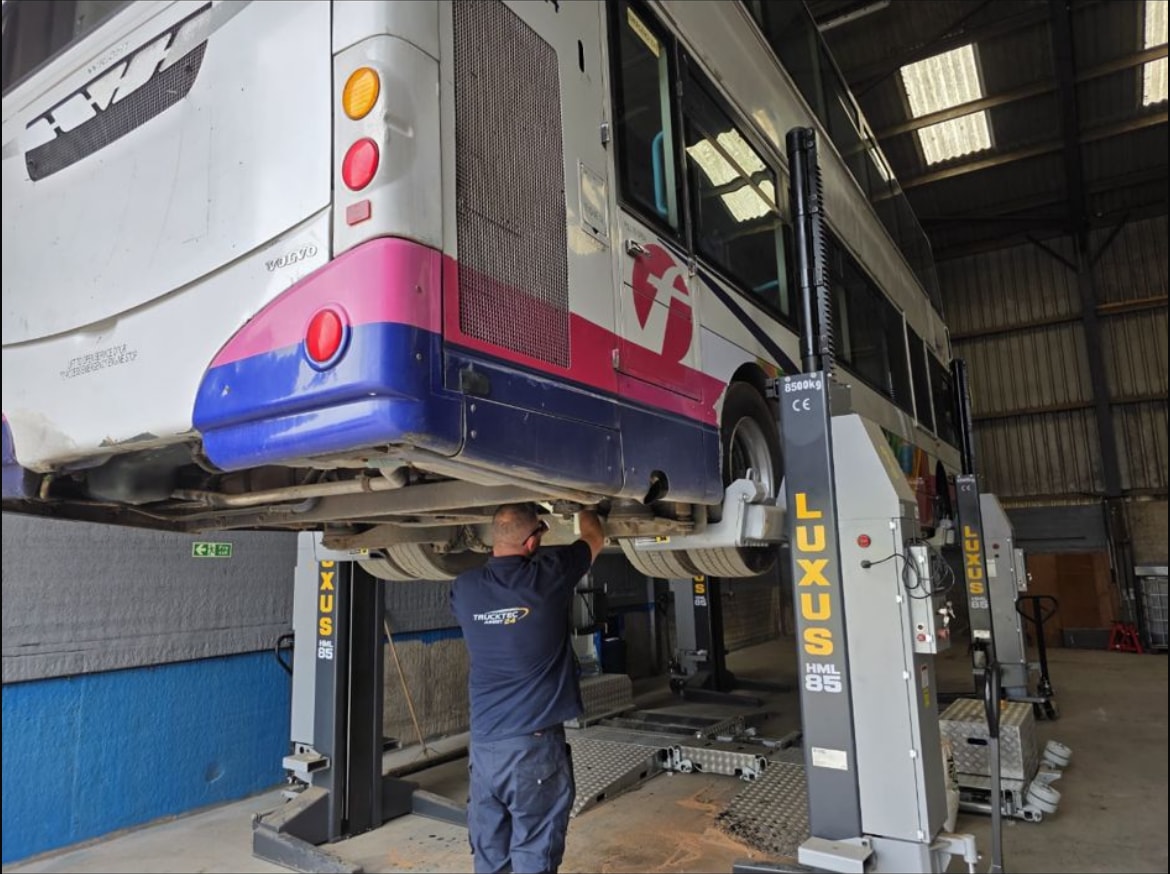
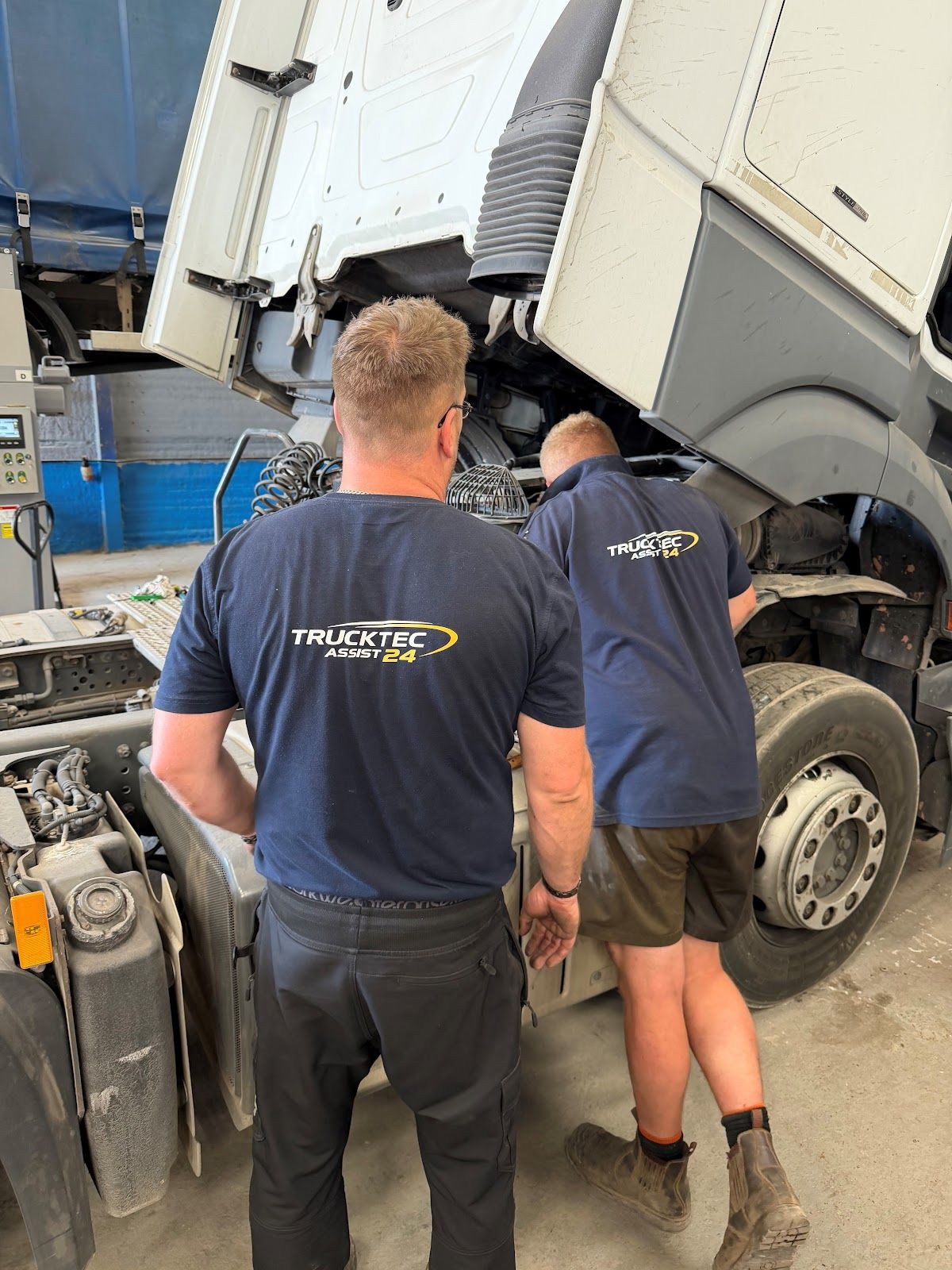
At our workshop at Calke Mill Farm, Ashby Road, Melbourne, we test and repair the whole system, from the compressor that feeds the air supply to the chambers and adjusters at each wheel, along with trailer brakes and parking brakes. Each repair is rechecked before the vehicle goes back out, and you get a written record for your maintenance file. Brake testing can be booked on its own or as part of a PMI, so the trailer only comes in once.
A fault on the road
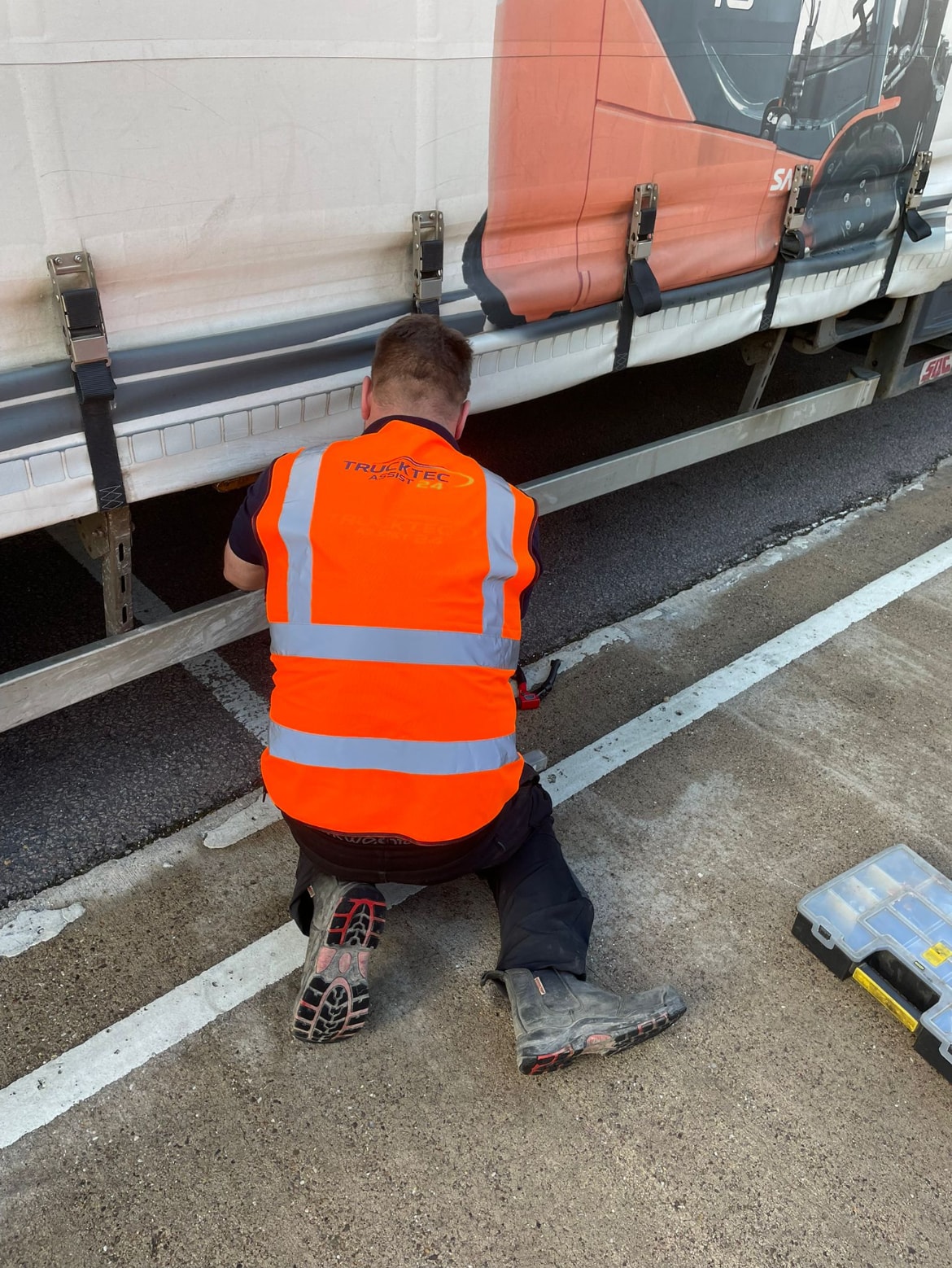
A low air warning that won't clear, a pull under braking or smoke from a wheel are all signs to stop somewhere safe. Ring 01332 916028 at any hour. Many air and brake faults around Castle Donington can be found and fixed at the roadside or in the yard; when that isn't safe or possible, the vehicle is recovered.
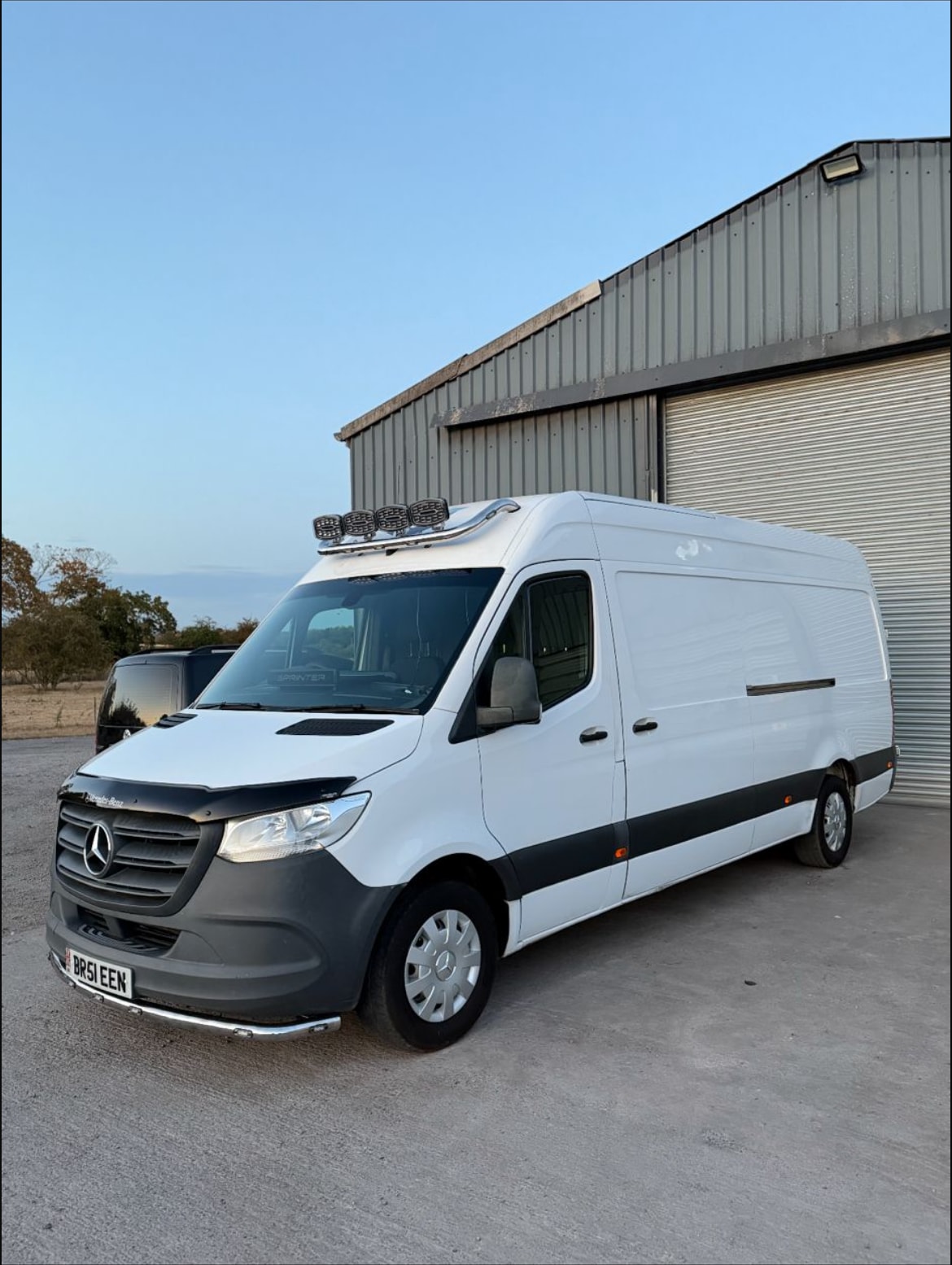
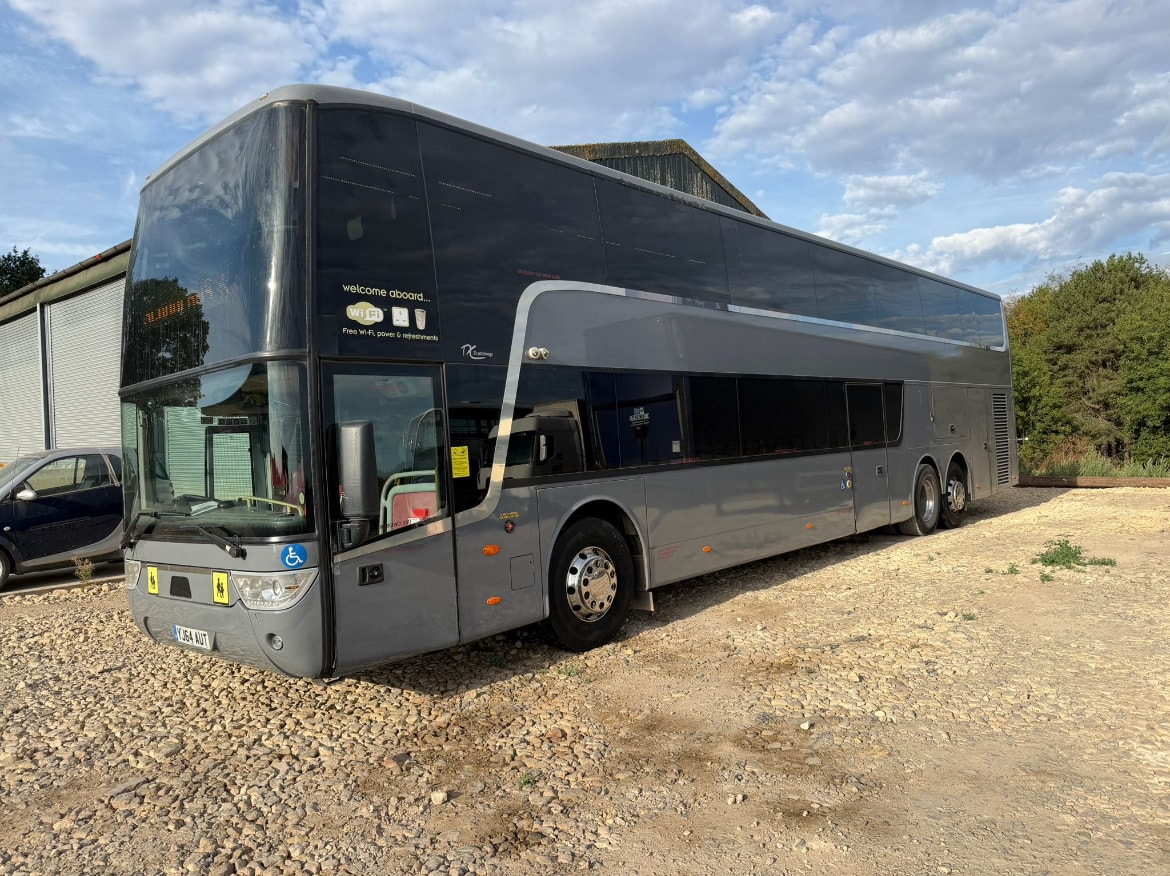
The workshop is open for planned work Monday to Friday, 07:30 to 17:00. Coaches, minibuses and light commercials are covered as well as HGVs and trailers, so a mixed fleet can have all its brake testing done in one place.