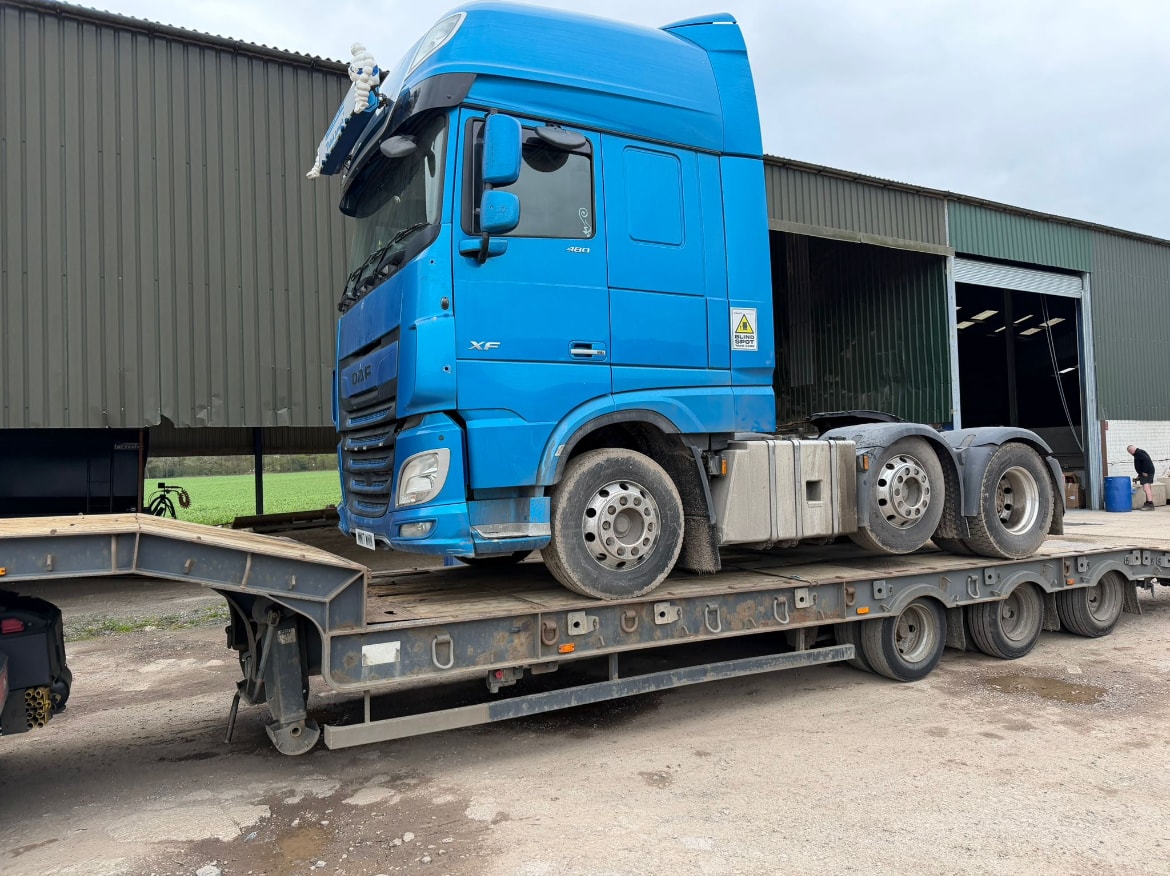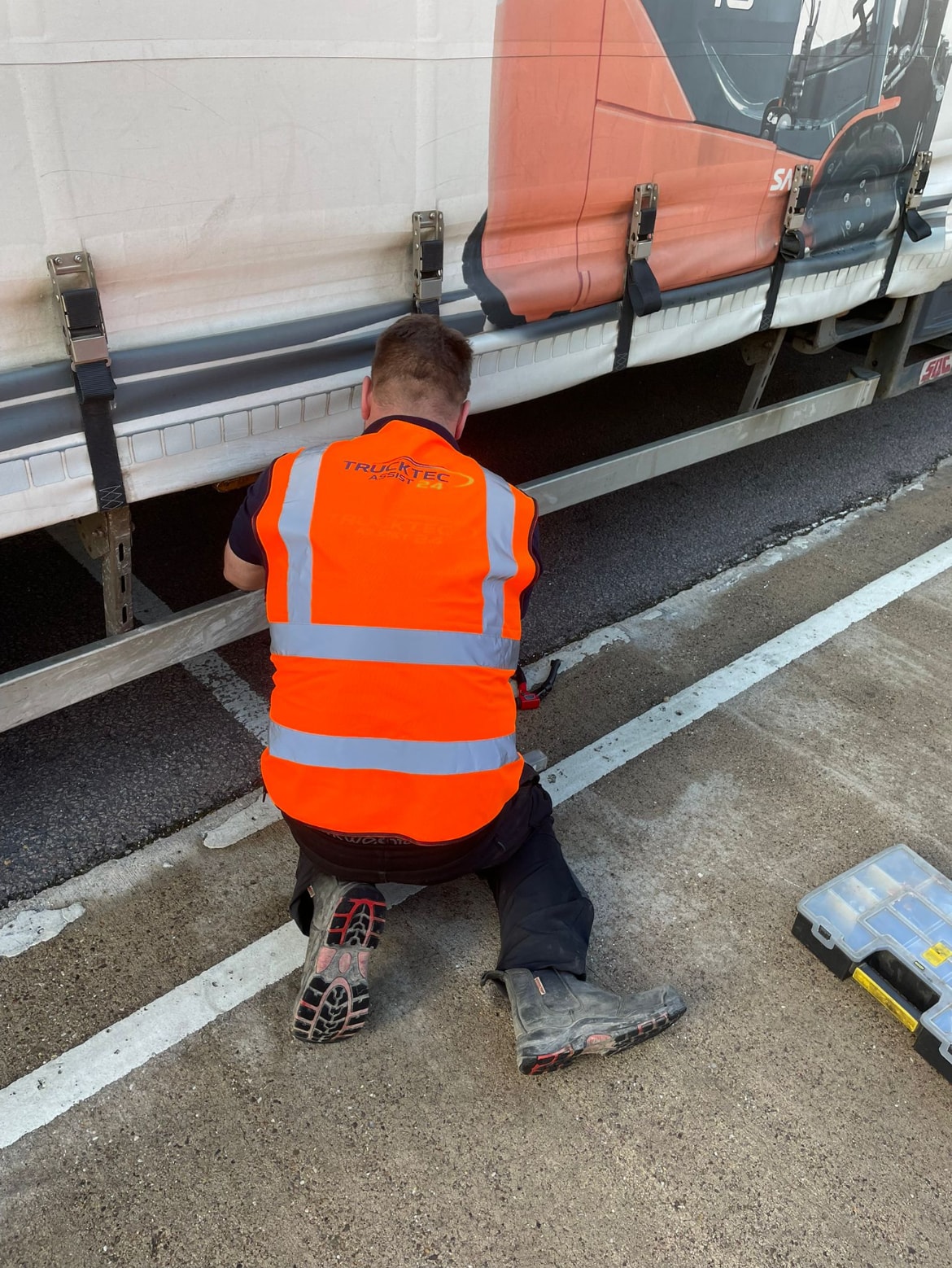
Swadlincote grew on coal and clay. Collieries, brickworks and potteries dominated the town until the Second World War, and its high-alumina fireclay was ideal for salt-glazed pipes, which the Public Health Act of 1875 turned into a huge local trade. The industry has changed since the last colliery closed in 1993, and light manufacturing and service firms now fill the large industrial estates, but the town still runs on road vehicles, and those vehicles still need proper looking after.
Short runs, hard wear
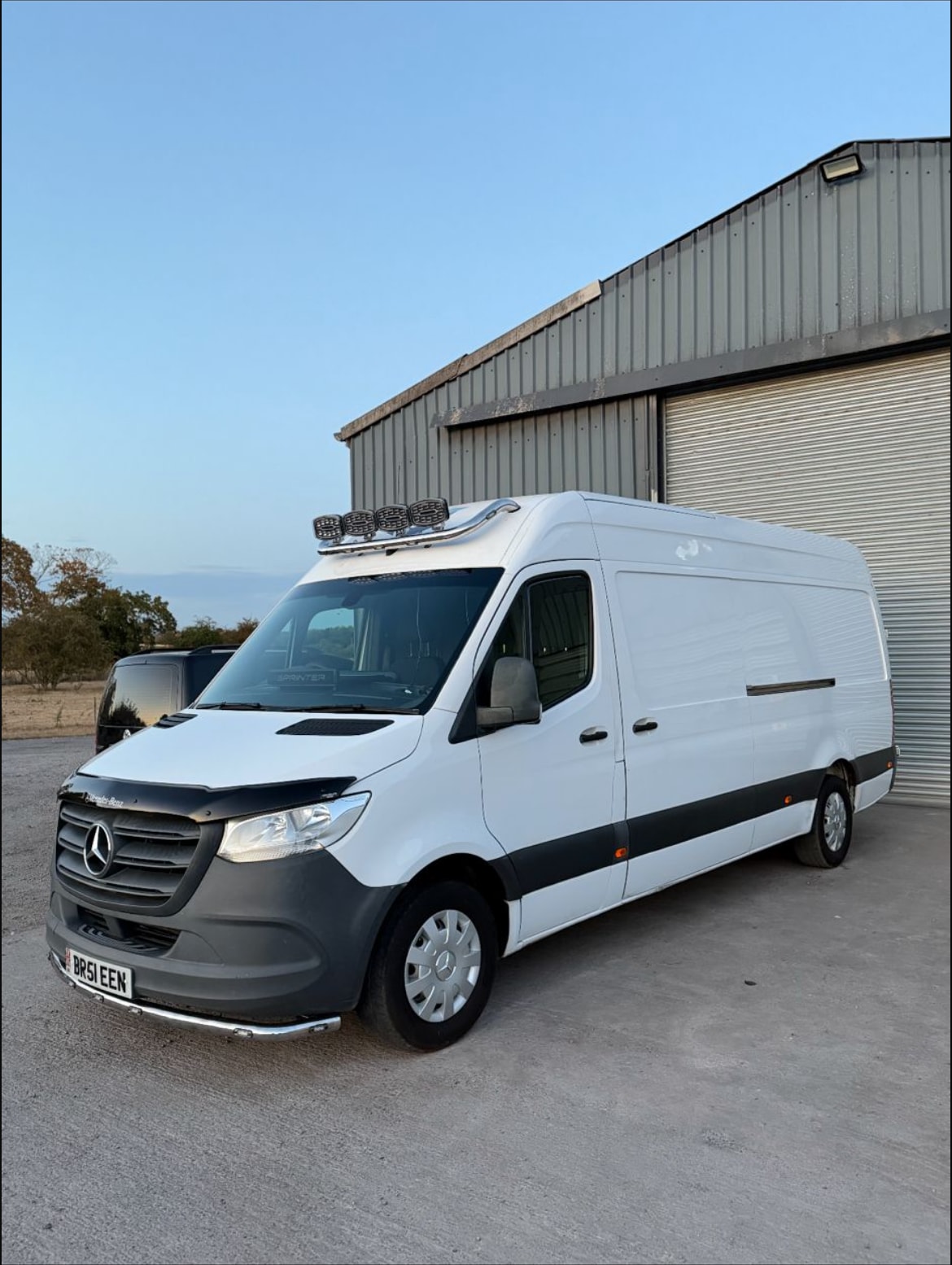
A van or rigid working locally from Swadlincote might do its whole day in short hops: out of an estate, across Newhall or Church Gresley, along the A511 to Burton upon Trent and back. That kind of work is harder on a vehicle than the odometer suggests. Stop-start driving, frequent cold starts, heavy loads and long idling all wear brakes, clutches, filters and batteries faster than steady long-distance miles.
So we begin with the manufacturer's service schedule, by distance, hours or time, and then set the interval around what the vehicle actually does. If a visit shows wear running ahead of the plan, we say so and suggest bringing the next service forward rather than letting it run to the date.
In the workshop
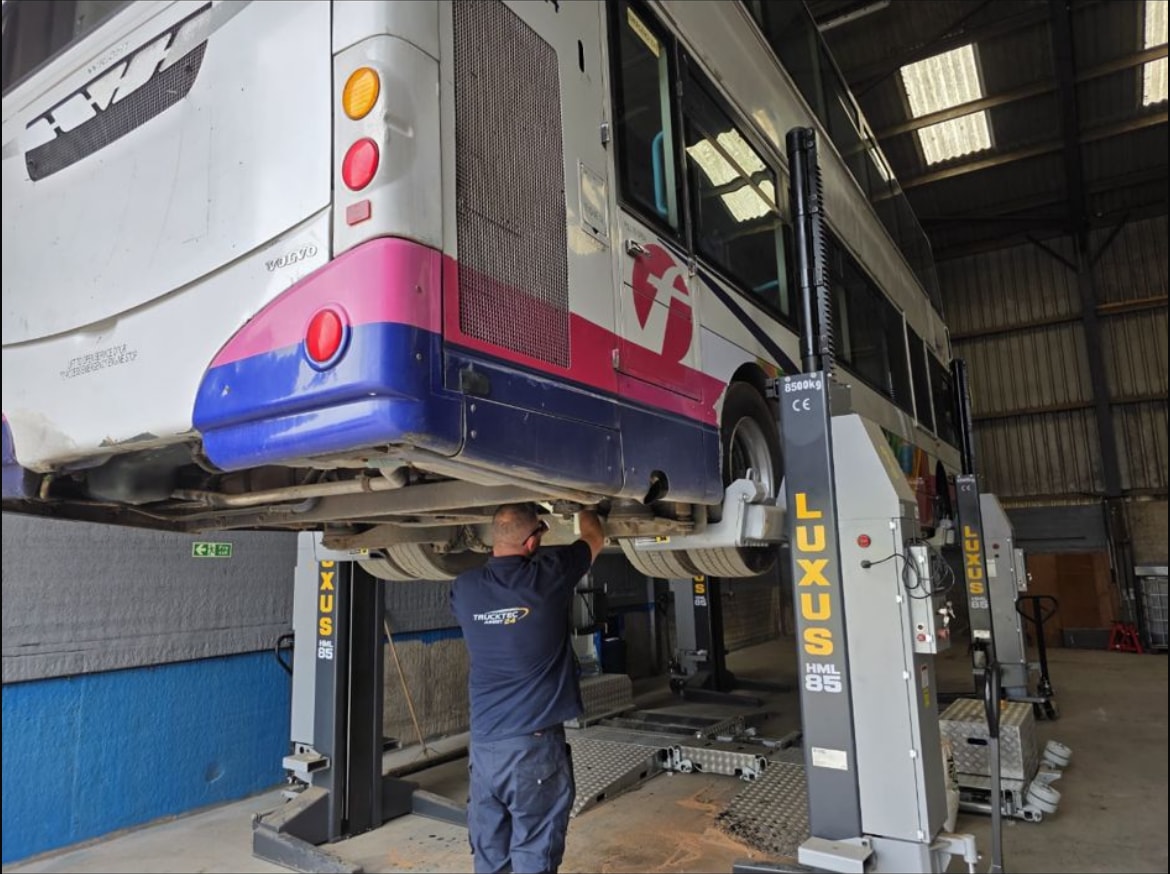
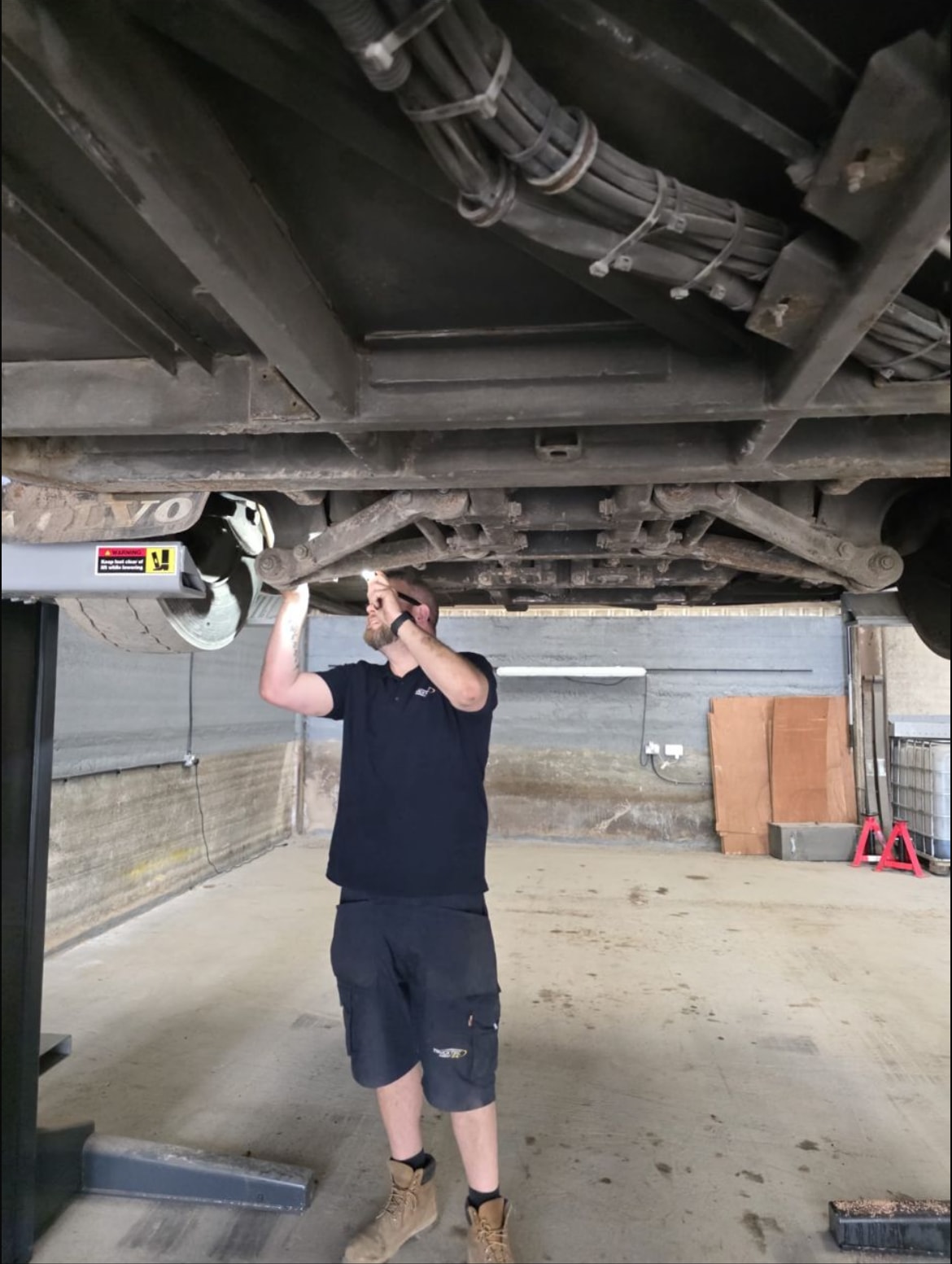
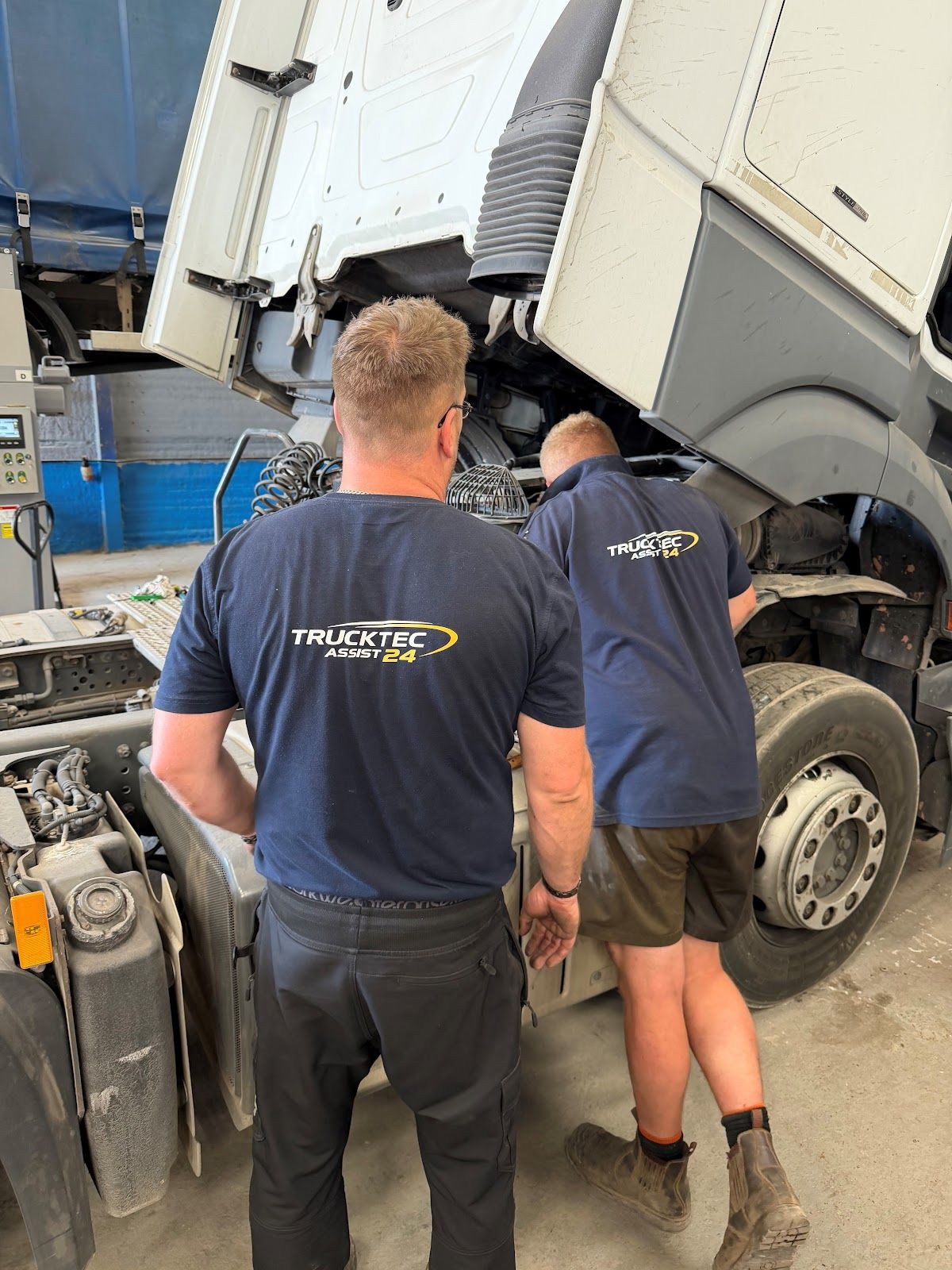
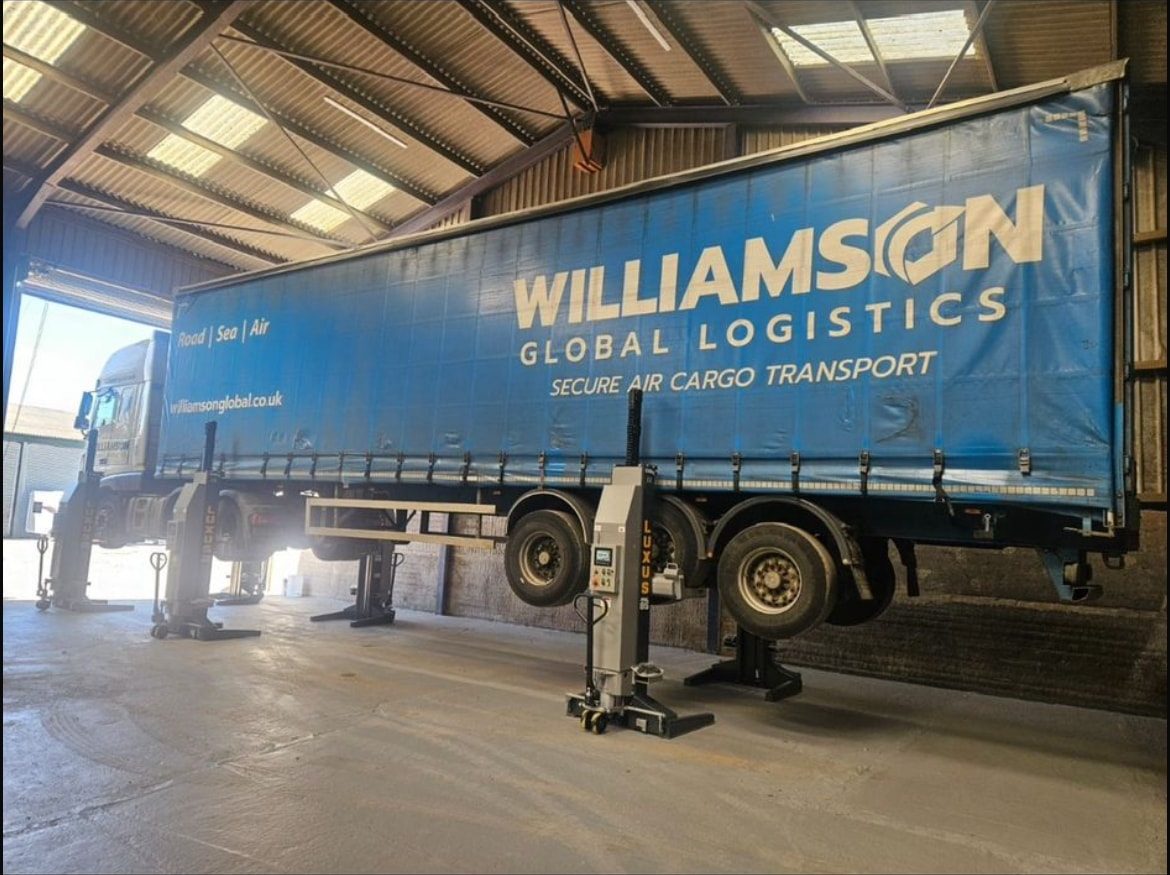
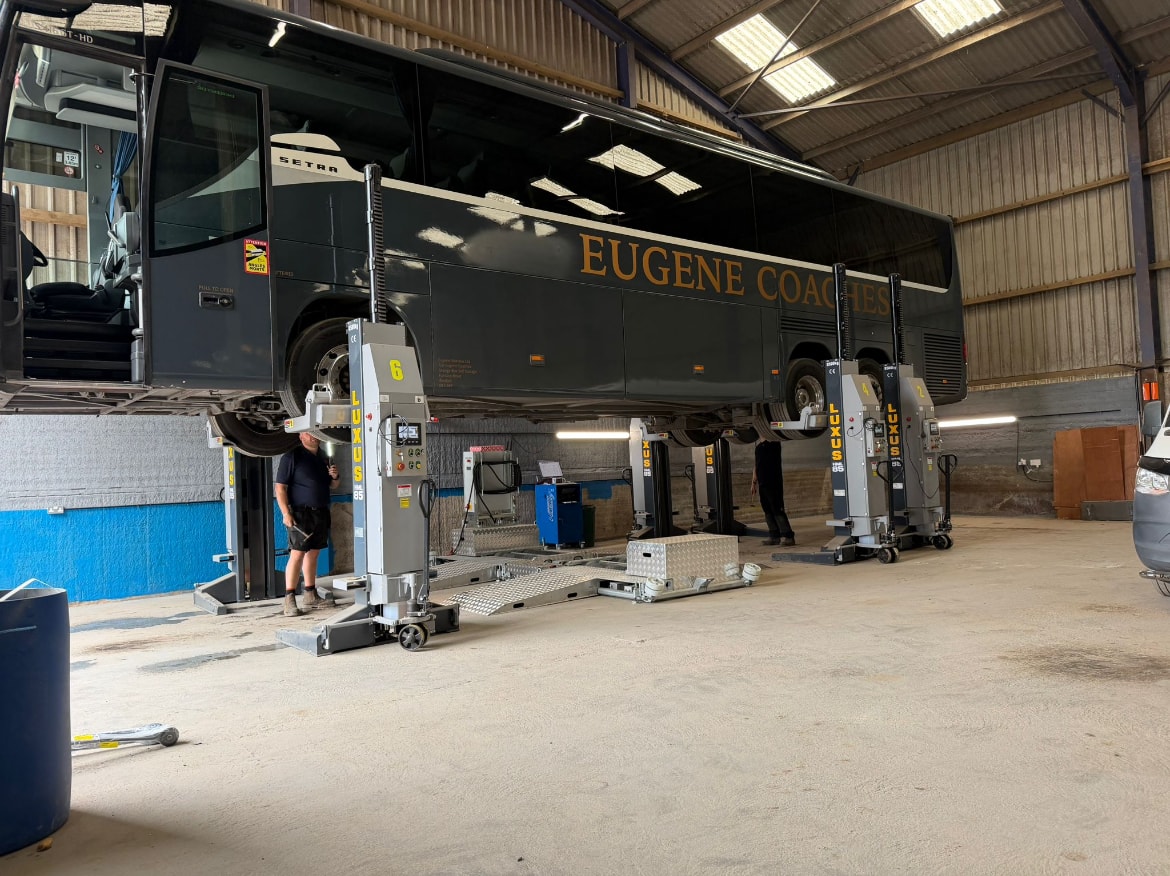
Servicing is done at our workshop at Calke Mill Farm, Ashby Road, Melbourne, Monday to Friday, 07:30 to 17:00. A service follows the manufacturer's list for that vehicle and takes in the engine oil, filters and fluids, belts, hoses and coolant, brakes and the air system, steering, suspension and wheels, lights, wiring and the charging system, and the clutch and gearbox. Anything that isn't urgent comes back as an advisory with an honest view on how soon it needs doing, so you can plan it into a future slot.
Where a vehicle's PMI safety inspection falls close to its service, we do both on the same visit: one trip, one day off the road, one set of paperwork.
Cold mornings find weak batteries, tired starter motors and fuel problems, and a vehicle that has spent the autumn on short local runs may have a battery that seldom gets a full charge. Hot weather, in turn, finds the cooling system. An autumn service is the time to test batteries and charging; spring is the time to look at coolant and hoses.
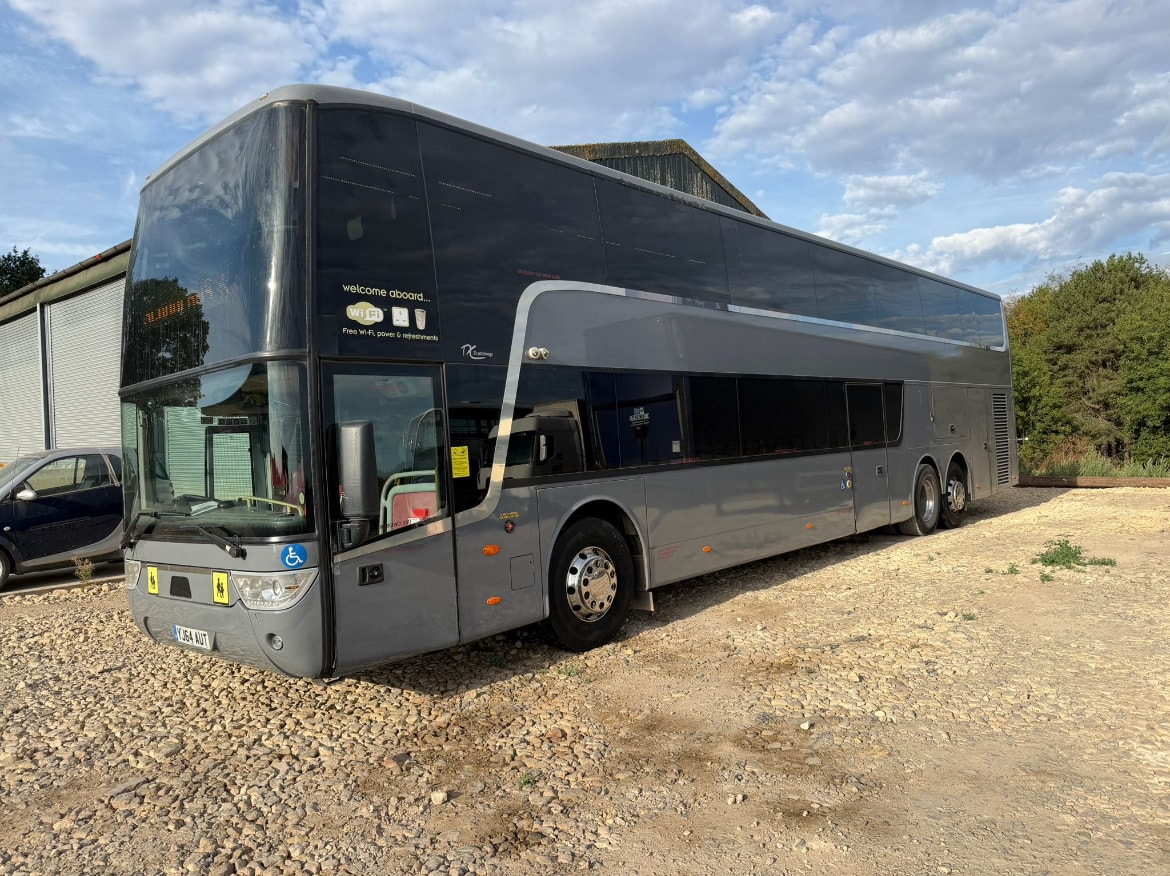
Coaches, minibuses and specialist vehicles, including emergency-service vehicles, are serviced in the same workshop. To book, ring 01332 916028 with the vehicle, its mileage or hours and when it is due. If a driver reports a warning light, a change in the brakes or fluid levels dropping in the meantime, ring straight away instead of waiting for the date.