Swadlincote's industrial estates are home to light manufacturing and service firms, and between them they run a lot of vans, light commercials and rigids alongside the heavier trucks. Modern versions of all of them are electronic machines as much as mechanical ones. A warning lamp on the dash of a van in Woodville or a rigid on the A511 could be pointing at any one of several systems, and changing parts until it goes out is the slowest, dearest way to find out which.
What proper fault finding involves
We start with what the vehicle has stored, reading the fault codes and live data, then test the circuit or component those point to. A code saying a sensor is reading wrong might mean the sensor has failed, or the wiring to it has chafed, or the connector is full of water, or the thing it measures really is out of range. Only testing tells those apart. Nothing gets replaced until the cause is confirmed, and if we can't confirm it, we tell you that rather than guessing at your expense.
The faults we chase cover the whole vehicle: engine warnings and derates, emissions and AdBlue faults that drop a truck into reduced power, electrical faults in wiring, lighting and charging, no-starts and fuel contamination, air pressure and brake system warnings, clutch and gearbox symptoms, and overheating.
Cold starts and short runs
Vehicles that spend their days on short trips between the estates, the town centre and villages such as Hartshorne, Linton or Overseal tend to show a particular set of faults. Batteries rarely get a full charge, the charging system works harder than it should, and a cold night parked outside ends in a no-start. Those are worth a proper test before winter rather than a jump start every week, because the underlying cause can usually be found and put right.
Intermittent faults need a methodical approach and some help from the driver. Note when the fault appears, whether the engine was cold or hot, whether the vehicle was loaded, idling, accelerating or cruising, whether it clears on its own, and anything that changed recently such as a repair, a new trailer or a fill-up somewhere unfamiliar. A photo of the dashboard while the lights are on is worth a lot.
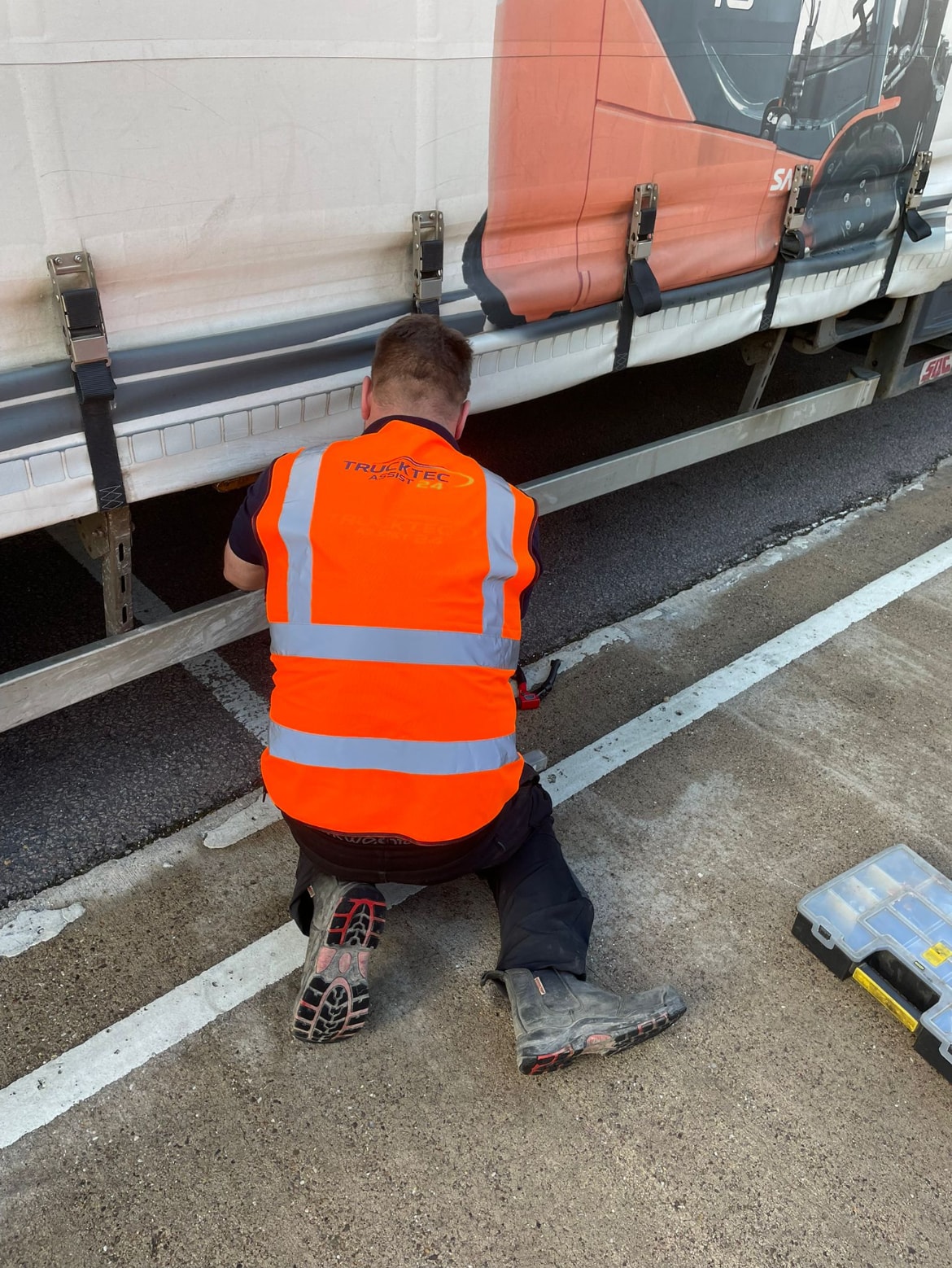
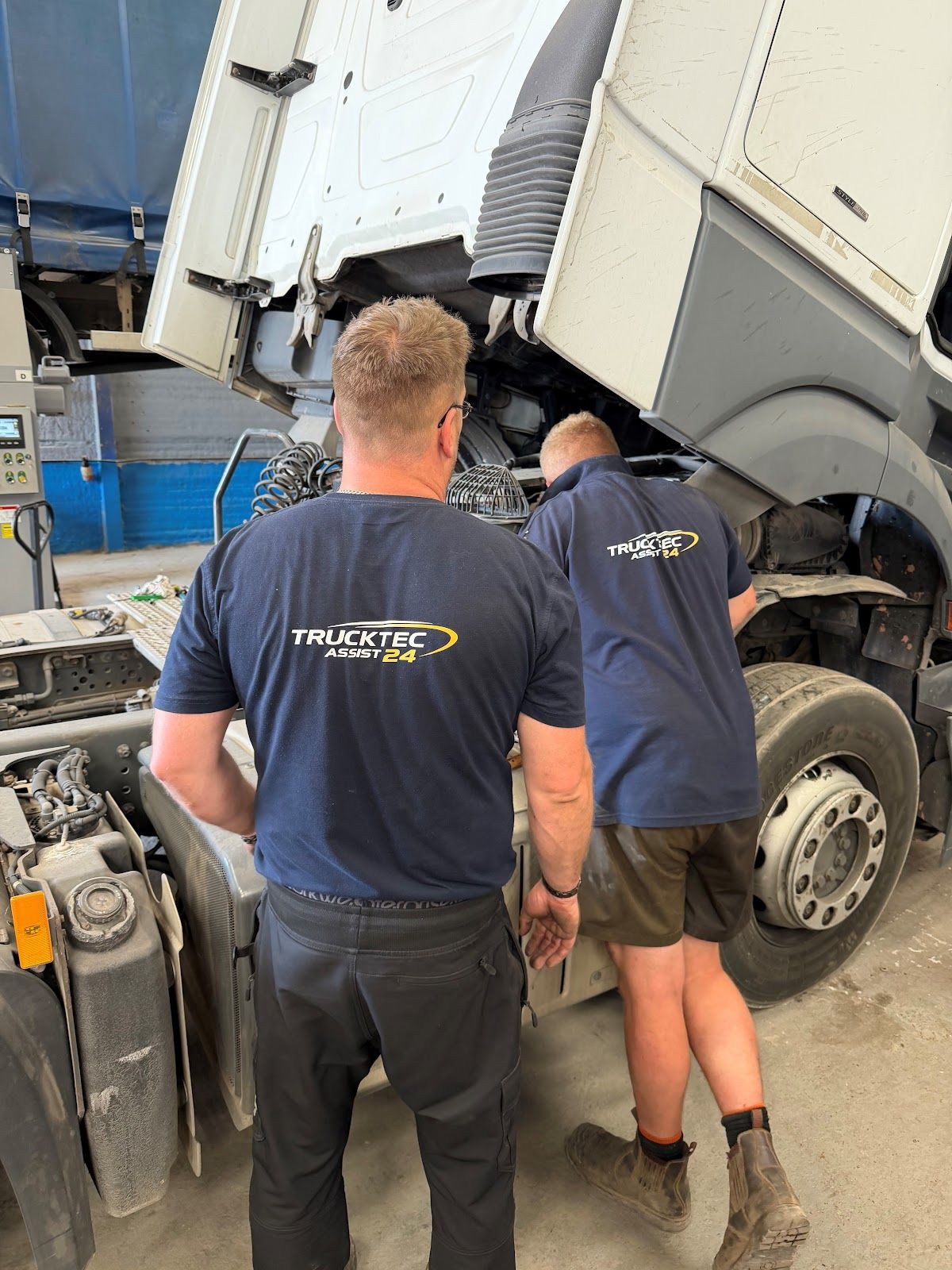
Our technicians carry diagnostic equipment, so a lot of faults are traced and fixed where the vehicle stands, whether that is your unit in Swadlincote or the verge of the A514. If a vehicle goes into limp mode on the road, get it somewhere safe and ring 01332 916028 rather than pressing on. When the job needs more time or the vehicle needs to be on lifts, it comes into the workshop at Melbourne. You always get a plain account of what was wrong, what we did, and whether anything else needs attention.